Why FT Beton is the Display Font Your Brand Desperately Needs
There’s a specific moment in every design project where you hit a wall. You’ve nailed the color palette, the layout feels balanced, and the imagery is crisp, but the text looks like an afterthought. It lacks punch. It doesn’t command the room. For many designers and entrepreneurs, typography is the final hurdle to creating a visual identity that truly resonates. If you find yourself scrolling through endless libraries of sans serifs and scripts looking for something that feels distinctly now, you might just be looking for a bold, architectural presence. Enter FT Beton, a display font that doesn’t just sit on the page—it stands up and demands attention, offering that cool, modern edge needed to make any creation stand out in a crowded marketplace.
The Anatomy of a Modern Display Typeface
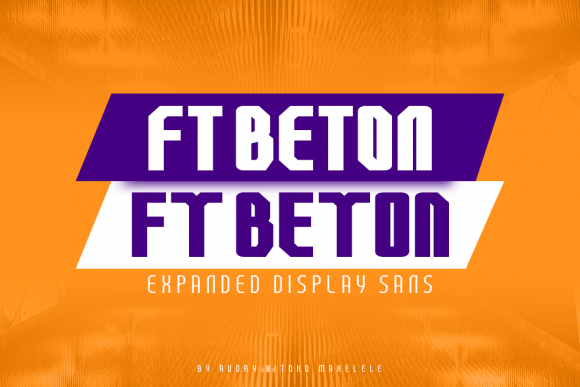
So, what exactly makes FT Beton different from the thousands of other options in your font library? The answer lies in its personality. While many fonts try to be neutral chameleons, FT Beton embraces its role as a display font. This means it is engineered specifically for impact. It possesses a geometric foundation that feels industrial and robust, yet it retains a sleek, contemporary finish that avoids looking dated or overly retro. It is the typographic equivalent of a minimalist skyscraper—clean lines, structural integrity, and undeniable presence.
When we talk about modern typography, we are often referring to the balance between negative space and form. FT Beton excels here. The letterforms are designed to breathe, ensuring that even at large sizes—where most display fonts fail due to poor construction—the characters remain distinct and aesthetically pleasing. This isn't just a font; it's a visual statement. Whether you are working on a high-end editorial layout or a gritty streetwear brand, the "bones" of this typeface provide a solid starting point.
Transforming Brand Identity and Logo Design
For small business owners and entrepreneurs, the logo is often the first handshake with a potential customer. It needs to be firm, memorable, and indicative of the brand's values. This is where FT Beton shines as a creative font choice. In logo design, uniqueness is currency. If you use a standard system font, you risk blending in with corporate templates. FT Beton offers a distinct silhouette that can anchor a logo, making it recognizable even before the brand name becomes famous.
Consider the versatility required in branding. You aren't just designing a logo for a website header; you are designing a stamp for packaging, a watermark for digital products, and embroidery for merchandise. A heavy, well-structured display font handles these transitions better than a delicate script or a standard serif font. By utilizing FT Beton, you are investing in a typeface that scales well across different media, maintaining that professional presentation that signals quality to your audience. It helps bridge the gap between a startup aesthetic and an established brand identity.
Capturing Attention in the Digital Space
In the realm of web design and social media graphics, the competition for attention is fierce. Users scroll quickly, and you have milliseconds to stop their thumbs. FT Beton is an incredibly effective asset for digital creators because of its high legibility at a glance. When used for headlines on a landing page or as the primary text on an Instagram carousel, it cuts through the noise.
For content creators and marketers, consistency is key. You want your audience to recognize your content before they even see your logo. Integrating a specific display typeface like FT Beton into your social media strategy can drastically improve brand recognition. It brings a cohesive look to your posts, stories, and highlights. Furthermore, in the context of web design, using a bold display font for H1 and H2 tags creates a strong visual hierarchy. It guides the reader's eye down the page, improving readability and engagement metrics by breaking up the monotony of standard body text.
Practical Applications: From Packaging to Print
While digital is king, the tactile world of print and packaging design is where typography truly comes to life. Imagine holding a coffee bag, a vitamin bottle, or a clothing tag. The texture of the paper combined with the style of the font creates a sensory experience. FT Beton excels in packaging design because it conveys modernity and trust. It suggests that the product inside is current, high-quality, and backed by a brand that cares about aesthetics.
This utility extends to a wide array of creative projects:
- Event Invitations: For weddings, galas, or tech launches, FT Beton sets a sophisticated, contemporary tone that standard script fonts often fail to achieve.
- Poster Design: Its architectural nature makes it perfect for gig posters, art exhibitions, or motivational prints where the typography needs to be the main visual element.
- Merchandise: Tote bags, t-shirts, and hats often rely on text-based graphics. A cool, modern font ensures the merchandise looks like a fashion item rather than a cheap giveaway.
- Editorial Layouts: In magazines or blogs, using FT Beton for pull quotes or chapter titles adds a layer of editorial design sophistication that elevates the reading experience.
Mastering Font Pairings and Readability
One of the most common questions in typography is: "How do I pair fonts?" A display font like FT Beton is a star player, but it needs a supporting cast. Because FT Beton is bold and characterful, it pairs exceptionally well with clean, neutral sans serif fonts or readable serif fonts for body copy. You wouldn't want to pair a bold display font with another decorative font; that creates visual chaos.
A practical tip for designers is to use FT Beton for the heavy lifting—headlines, sub-headers, and call-to-action buttons—while employing a simple sans serif for the paragraphs. This contrast creates a dynamic rhythm in your design. It ensures that the page is engaging to look at but easy to read when it matters most. Always test your pairings at different sizes; what looks good on a desktop monitor might look cluttered on a mobile screen. Ensuring that your typography remains accessible and legible is crucial for user experience.
Licensing and Commercial Use: What You Need to Know
For designers and agencies, the legal aspect of using design assets is just as important as the aesthetic one. When looking to integrate a premium font into a client’s workflow, you must consider the licensing. FT Beton, like other high-quality commercial fonts, comes with specific licensing terms that dictate how it can be used—whether for a single user, a team, or in digital products for sale.
Always review the license before purchasing. If you are creating a logo for a client, you generally need a license that permits the embedding of the font in the final vector file or digital application. If you are creating templates to sell on marketplaces like Etsy or Creative Market, you will likely need an extended license. Understanding these details protects you and your clients from copyright issues down the road. It is a professional standard that separates hobbyists from serious design professionals.
A Valuable Addition to Your Creative Toolkit
Ultimately, building a font library is about curating tools that solve problems and inspire creativity. FT Beton is more than just a collection of vectors; it is a mood setter. It brings a cool, modern energy that can revitalize a stale project or define a new one from the ground up. Whether you are a graphic designer crafting a brand identity, a marketer optimizing conversion rates, or a hobbyist creating a stunning invitation, having a versatile and impactful display font at your disposal is non-negotiable.
Don't settle for the default. By exploring typefaces like FT Beton, you are actively investing in the quality of your visual communication. It’s the difference between a design that looks "fine" and one that looks unforgettable.