Mollie Mae: The Display Font That Brings Personality to Your Projects
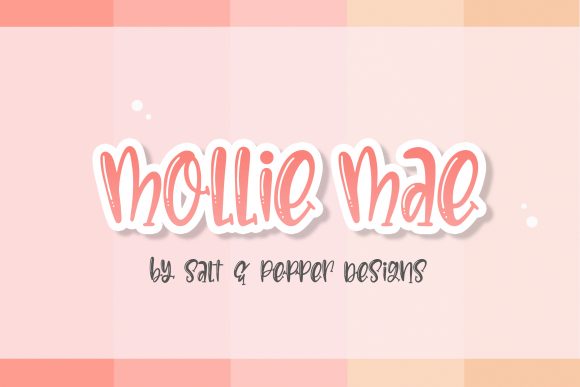
There’s a particular moment in every creative project where you realize the typography isn’t just holding words—it’s setting the entire mood. You’ve chosen your colors, sketched your layout, and maybe even drafted your copy, but something feels flat. That’s usually when a font like Mollie Mae steps in and completely transforms the energy. This bouncy, quirky display typeface has a way of injecting life into designs that need a little extra charm, whether you’re crafting a brand identity for a new small business or putting together social media graphics that actually stop the scroll.
What makes Mollie Mae stand out in a sea of display fonts is its deliberate personality. The letterforms have a playful irregularity that feels handmade without sacrificing legibility. Each character carries subtle variations in weight and rhythm, creating a visual texture that mimics the warmth of hand-lettering while maintaining the consistency you need for professional work. It’s the kind of typeface that feels approachable and modern—perfect for projects targeting audiences who appreciate authenticity and creativity over rigid corporate formality.
Where This Font Truly Shines: Real-World Applications
Let’s talk about where Mollie Mae actually works in practice, because understanding a font’s strengths helps you match it to the right project. If you’re designing packaging for a boutique skincare line, a specialty food product, or artisan goods, this typeface brings that handmade, premium feel customers associate with quality craftsmanship. The slightly irregular baseline and playful curves suggest care and attention—exactly what you want consumers to perceive when they pick up your product off a shelf.
For logo design, Mollie Mae offers something many display fonts lack: versatility within its personality. It works beautifully as a primary wordmark for brands in the lifestyle, wellness, beauty, food, or creative services space. Imagine it paired with a clean sans serif for a wedding stationery business, or standing alone as the logo for a children’s boutique. The font’s inherent warmth makes it particularly effective for brands that want to feel friendly and approachable rather than distant and corporate.
Social media is another arena where this typeface excels. Instagram quotes, Pinterest graphics, story templates, and promotional posts all benefit from typography that catches the eye quickly. Mollie Mae’s bouncy character creates visual interest even at smaller sizes, making it a solid choice for overlaying text on images or creating standalone graphic posts that need to communicate personality in a crowded feed.
Pairing Mollie Mae With Other Typefaces
One of the most practical skills in typography is knowing how to combine fonts effectively. Mollie Mae pairs exceptionally well with clean, geometric sans serif fonts. Think of typefaces like Montserrat, Poppins, or even a simple sans serif like Open Sans for body text. The contrast between Mollie Mae’s playful display style and a straightforward sans serif creates visual hierarchy that guides readers through your content naturally.
For projects that need a slightly more editorial or sophisticated feel, consider pairing it with a classic serif font. The juxtaposition of a quirky display font against traditional serifs can create an unexpected, contemporary aesthetic that feels fresh and intentional. The key is ensuring the companion font doesn’t compete for attention—Mollie Mae should lead, and the supporting typeface should quietly do the heavy lifting for longer passages of text.
Always test your font pairings in context. A combination that looks stunning in a headline mockup might feel overwhelming when applied to a full website layout or a multi-page brochure. Print out samples, view them on different screens, and ask yourself whether the typography supports the content or distracts from it. Good font pairing should feel invisible in the sense that readers absorb the information without consciously noticing the typefaces—unless, of course, the design intentionally draws attention to the typography as a visual element.
Practical Considerations Before You Commit
Before incorporating any display font into a brand identity or major project, take time to review what’s actually included in the font package. Check whether Mollie Mae comes with multiple weights, alternates, or stylistic sets. These additional characters can significantly expand your creative options, allowing you to customize the look for different applications while maintaining visual consistency across your brand materials.
Readability deserves serious attention with any display typeface. Mollie Mae works wonderfully at larger sizes for headlines, logos, and short phrases, but it’s not designed for extended body copy. Respect the font’s intended purpose. Use it where it can make an impact—headers, pull quotes, call-to-action buttons, packaging names—and choose a complementary body font for paragraphs and detailed information. This division of labor between display and text fonts is fundamental to professional design.
Licensing is another practical matter worth addressing upfront. If you’re using Mollie Mae for commercial projects—client work, products for sale, business branding—make sure you understand the license terms. Many premium fonts offer different licensing tiers depending on usage, so verify that your license covers the specific applications you have in mind. This protects both you and the font designer, and it ensures you won’t face unexpected complications down the road.
Building Brand Recognition Through Thoughtful Typography
Consistency is the backbone of strong brand identity, and your font choice plays a central role in achieving it. When you select a typeface like Mollie Mae for your brand, you’re making a commitment to a specific visual voice. Every touchpoint—your website headers, your email newsletters, your product labels, your business cards—should reflect that same typographic personality. Over time, your audience begins to associate that font style with your brand, even before they read a single word.
This is where many small businesses and entrepreneurs stumble. They use one font for their website, a different one for their Instagram graphics, and yet another for printed materials. The result feels disjointed and undermines brand recognition. Choosing a primary display font and sticking with it across platforms creates cohesion that builds trust and familiarity with your audience.
Mollie Mae works particularly well for brands targeting demographics that value creativity, warmth, and individuality. Think independent retailers, creative agencies, wellness brands, bakeries, florists, photographers, and lifestyle bloggers. The font’s personality aligns with audiences who appreciate handmade quality and personal touch—people who choose independent brands over faceless corporations because they want to feel a human connection.
Final Thoughts on Making It Work for You
The best typography decisions come from understanding your project’s goals, your audience’s expectations, and the message you want to communicate. Mollie Mae isn’t the right choice for every situation—a law firm or financial institution would probably want something more restrained—but for projects that benefit from personality and warmth, it’s a genuinely useful tool to have in your design toolkit. Experiment with it across different contexts, pay attention to how it interacts with your other design elements, and don’t be afraid to iterate until the typography feels just right. Great design is rarely about finding the perfect font in isolation; it’s about finding the right font for a specific purpose and using it thoughtfully.