Sesaot: The Display Typeface That Balances Grit and Charm
If you have ever struggled to find a typeface that feels handcrafted but still commands attention, you know the frustration of sifting through endless libraries of sterile sans-serifs and overly formal scripts. Designers and entrepreneurs often need a font that feels lived-in—something that suggests authenticity without sacrificing legibility. This is where Sesaot enters the picture. As a rough display font, it strikes a unique balance between being cool and simple while retaining a strong, confident character. It doesn't just sit on the page; it speaks with a dynamic voice that can anchor a brand identity or elevate a piece of marketing collateral. Whether you are working on a vintage-inspired logo or a modern packaging design, this typeface brings a level of nostalgic character that feels rare in today’s digital landscape.
Understanding the Rough Display Aesthetic
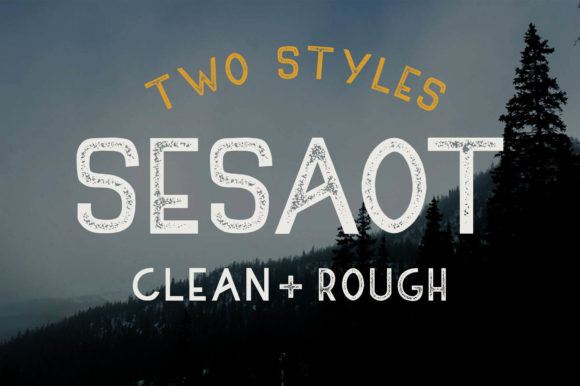
When we talk about a "rough display" style, we are referring to a specific category of typography designed for impact rather than body text. Unlike a standard serif font or a clean sans serif font, a typeface like Sesaot features irregular edges, textured strokes, and a distinct handmade quality. This style is highly effective for headlines, logos, and hero sections on websites where you need to grab attention instantly.
The visual appeal of Sesaot lies in its imperfections. In a world saturated with pixel-perfect vector graphics, a rough texture provides a human touch. It suggests that a real person is behind the brand, which is a powerful psychological trigger for consumers. This creative font reads as strong because the letterforms are bold and well-structured, but the "rough" finish adds a layer of personality that polished fonts often lack. It is a premium font choice for those who want to move away from corporate sterility and toward something more expressive.
Practical Applications for Modern Creatives
The versatility of a display typeface like Sesaot is one of its strongest assets. It is not limited to one specific niche; rather, it adapts to the context in which it is placed. For small business owners and content creators, understanding how to deploy this font across different mediums can unify your visual communication.
- Branding and Logo Design: A logo sets the tone for your entire business. Using Sesaot for a wordmark or a monogram can instantly position a brand as approachable, artisanal, or adventurous. It works particularly well for outdoor brands, coffee roasters, breweries, or creative agencies that want to project a rugged yet friendly image.
- Packaging Design: On a shelf, consumers make split-second decisions. A rough display font stands out against smooth backgrounds. If you are designing labels for craft products, Sesaot can add the tactile feel that implies quality and craftsmanship.
- Social Media Graphics: In the fast-scrolling environment of Instagram or TikTok, typography needs to pop. Sesaot is excellent for quote graphics, announcement headers, and story overlays. Its bold nature ensures that your message is read even on smaller mobile screens.
- Merchandise and Apparel: Fonts with texture translate exceptionally well to physical goods. Whether it is screen-printed t-shirts, embroidered hats, or tote bags, the rough edges of Sesaot give merchandise a vintage or streetwear vibe that resonates with younger demographics.
- Editorial Layouts and Blogs: While not suited for long paragraphs, this typeface is perfect for blog post titles and pull quotes. It breaks up the monotony of standard web typography and keeps readers engaged with visual variety.
Strategic Typography: More Than Just Looks
Choosing a font is rarely just about aesthetics; it is a strategic decision that impacts how your message is received. Sesaot helps improve several key aspects of your design projects.
Visual Consistency: When you use a distinct typeface like Sesaot across your website, business cards, and social channels, you create a cohesive thread. This consistency helps build brand recognition. Over time, your audience will begin to associate the font's style with your business, even before they read the words.
Audience Engagement: Typography influences mood. The dynamic nature of Sesaot creates energy. If you are promoting a sale, launching a new product, or inviting people to an event, this font injects excitement into the layout. It moves the viewer’s eye and encourages them to take action.
Professional Presentation: There is a fine line between "handmade" and "amateur." A high-quality rough font like Sesaot ensures you land on the side of professional design. The character spacing and kerning are carefully managed to ensure readability, meaning you get the artistic look without the messiness of actual handwriting.
Pairing and Practicality: Making Sesaot Work for You
One of the most common questions regarding display fonts is how to pair them. Because Sesaot has such a strong personality, it requires a complementary partner to ensure the design doesn't become overwhelming.
A general rule of thumb in modern typography is to contrast styles. Since Sesaot is textured and bold, pair it with a clean, minimalist sans-serif font for body text. Fonts like Lato, Open Sans, or Montserrat often work well here. The clean lines of the secondary font allow the headlines set in Sesaot to shine without competing for attention. Alternatively, if you are going for a fully vintage aesthetic, you could pair it with a classic serif font that has a steady rhythm, creating a hierarchy that feels both traditional and energetic.
However, readability should always be your priority. Sesaot is designed for display use—meaning headers, titles, and short bursts of text. Avoid using it for body copy or small captions where the texture might become noisy or difficult to decipher at low resolutions. Always test your font pairings on different devices. A design that looks great on a desktop monitor might lose impact on a smartphone screen if the font weight is too thin or the texture too complex.
Licensing and Asset Management
For designers and entrepreneurs, the technical side of typography is just as important as the visual side. When investing in a creative font like Sesaot, it is vital to understand the licensing structure.
Most premium fonts come with specific usage rights. A standard license usually covers web use and print use, but if you plan to embed the font in software, apps, or high-volume merchandise (print-on-demand), you may need an extended license. Always review the End User License Agreement (EULA) provided with the download. This ensures you are legally protected and that the type designer is fairly compensated for their work.
Furthermore, consider the file formats included. A versatile font package should ideally include OpenType (OTF) or TrueType (TTF) files for desktop installation, and perhaps WOFF or WOFF2 files for web embedding. Having access to multiple styles—such as bold, italic, or outline variations—within the Sesaot family gives you more creative flexibility without needing to purchase additional assets.
Final Thoughts on Choosing Sesaot
Typography is the voice of your brand. While images capture attention, the words—and how they are styled—communicate the details. Sesaot offers a solution for those who want their designs to feel human, confident, and memorable. It bridges the gap between the nostalgia of hand-lettering and the requirements of modern digital design.
If you are a designer looking to expand your toolkit, or a business owner aiming to refresh your brand identity, consider how a rough display font could change the perception of your projects. By applying Sesaot thoughtfully to your headers, logos, and key graphics, you can create a visual language that stands out in a crowded market. It is a reminder that sometimes, the most effective way to connect with an audience is to embrace a little imperfection.