Tigers: The Bold Display Font That Commands Attention
You know that moment when you spot a design that just stops you in your tracks? Maybe it's a poster on a city street, a product label on a crowded shelf, or a social media post that makes you pause mid-scroll. Nine times out of ten, the typography played a massive role in grabbing your attention. That's exactly the kind of magnetic pull a font like Tigers brings to the table.
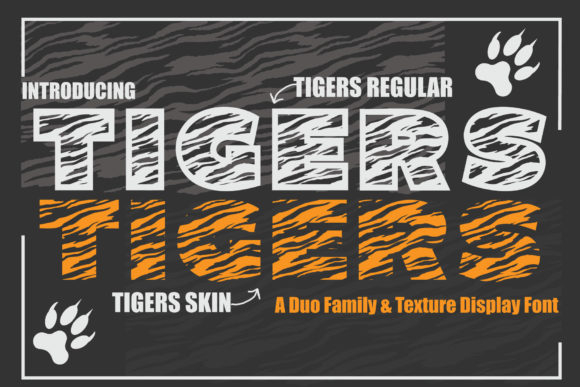
Tigers is a cool, chunky lettered and incredibly unique display font. No matter the topic, this font will be an incredibly asset to your fonts' library, as it has the potential to elevate any creation. It carries a bold, confident personality without trying too hard. The letterforms have weight, presence, and just enough character to feel distinctive without crossing into novelty territory. If you've been searching for a typeface that bridges the gap between playful and professional, this one deserves a closer look.
Why Bold Display Fonts Matter More Than You Think
Think about the brands and designs that stick with you. Nike's bold swoosh paired with strong typography. Vintage brewery labels with oversized, textured letters. Festival posters where the headline practically leaps off the page. There's a common thread: they all use display fonts that aren't afraid to take up space.
Display fonts like Tigers serve a specific purpose in your design toolkit. They're not meant for body copy or lengthy paragraphs. Instead, they're the workhorses of headlines, logos, and any situation where you need to make an immediate impression. A chunky, well-crafted display font does the heavy lifting of establishing mood and tone in a single glance.
For small business owners and entrepreneurs, this matters enormously. Your logo, your packaging, your website header — these are often the first touchpoints a potential customer encounters. The typography you choose silently communicates your brand's personality before anyone reads a single word of your copy.
Where Tigers Truly Shines: Real-World Applications
Let's get practical. Here's where a font with this kind of bold, distinctive character can make a tangible difference in your projects:
Logo design and brand identity. If you're building a brand from scratch or refreshing an existing one, a display font with strong geometry and chunky letterforms gives your logo instant recognizability. Tigers works particularly well for brands that want to project confidence, creativity, or a slightly edgy vibe without feeling aggressive. Think streetwear labels, craft beverage companies, fitness brands, or creative agencies.
Packaging design. Walk down any aisle at a grocery store or boutique shop, and you'll notice that the products catching your eye use bold typography on their labels. A premium font with visual heft helps your product stand out on crowded shelves. Whether you're designing coffee bags, candle labels, hot sauce bottles, or skincare packaging, chunky lettering creates that instant shelf presence every product needs.
Social media graphics. In a feed where hundreds of posts compete for attention every minute, bold typography is your secret weapon. Instagram stories, quote graphics, announcement posts, sale promotions — all of these benefit from a display font that's readable at various sizes and carries enough personality to stop the scroll.
Posters and print materials. Event posters, flyers, brochures, and menu designs all need headlines that pop. Tigers brings that poster-quality energy to any print project. The chunky letterforms maintain their impact whether you're printing at A5 or scaling up to a billboard.
Merchandise and apparel. T-shirt designs, tote bags, stickers, hats — if you're creating products to sell or give away, a distinctive typeface becomes part of the product itself. Bold, unique fonts translate beautifully to screen printing, embroidery, and digital printing on physical goods.
Websites and blogs. While you wouldn't set an entire article in a display font, using one for your site headers, hero sections, and call-to-action buttons adds visual hierarchy and personality. It signals to visitors that your brand pays attention to details.
Invitations and editorial layouts. Wedding invitations, event programs, magazine covers, and zine layouts all benefit from headline fonts that feel intentional and curated. A chunky, modern typeface adds contemporary energy to editorial design.
Digital products and marketing assets. If you sell templates, create lead magnets, or design course materials, investing in quality typography elevates the perceived value of everything you produce. Presentation decks, PDF guides, and email headers all look more polished with a strong display font in the mix.
Matching Typography to Your Project Goals
Here's something experienced designers understand intuitively but rarely get taught explicitly: the font you choose should align with the feeling you want to create, not just the information you want to convey.
Before selecting any typeface for a project, ask yourself a few questions:
- What's the primary emotion? Should this design feel energetic, trustworthy, luxurious, rebellious, warm, or minimal? Each font carries emotional baggage — use that to your advantage.
- Who's the audience? A font that resonates with twenty-something creatives might not land the same way with corporate decision-makers. Know your people.
- Where will it live? A font that looks stunning on a poster might lose its charm at small sizes on a mobile screen. Context drives every typography decision.
- What's the lifespan? A one-off social media post gives you more freedom to experiment than a logo that'll represent your business for the next decade.
Tigers, with its bold and chunky character, naturally suits projects where confidence and visual impact are priorities. It's the kind of typeface that works beautifully for brands and creators who aren't afraid to make a statement.
The Art of Font Pairing: Building Around a Strong Display Font
One of the most common questions designers hear is: "How do I pair fonts without making things look messy?" It's a valid concern, and it's especially relevant when working with a characterful display font like Tigers.
The golden rule is contrast with cohesion. Your display font handles the headlines and hero text. You need a secondary font for body copy, subheadings, and supporting text that complements without competing.
A few pairing approaches that tend to work well:
- Chunky display + clean sans serif. This is a classic combination. The bold headlines do the heavy lifting, while a simple sans serif keeps body text readable. Think Tigers paired with something like Montserrat, Work Sans, or Inter.
- Bold display + refined serif. For projects that need a touch of elegance alongside their boldness, pairing a chunky headline font with a traditional serif for body text creates an interesting tension that feels sophisticated.
- Display font + minimal sans serif + accent script. For brands that want versatility, a three-font system gives you options for headlines, body copy, and special callouts or signatures.
The key is to test your pairings in context. Don't just look at fonts side by side on a blank page. Drop them into your actual design mockups. Check how they interact at different sizes. See how they feel together on a business card, a website header, and a social media post. Real-world testing beats theoretical matching every time.
Readability Considerations for Display Typography
Bold and chunky doesn't mean careless. Even with display fonts, readability matters — especially when your text needs to communicate something specific like a brand name, event details, or a call to action.
A few things to keep in mind:
- Spacing is your friend. Chunky fonts often benefit from slightly increased letter-spacing, especially at larger sizes. A little breathing room between letters can make bold typography feel more refined.
- Watch your line length. Display fonts work best in short bursts. Keep headlines concise. If you're using a bold font for a longer phrase, break it into multiple lines intentionally.
- Color contrast matters. Bold fonts carry visual weight, so they can handle lighter color combinations that thinner fonts couldn't pull off. Still, make sure there's enough contrast between your text and background for accessibility.
- Size appropriately. Display fonts are designed to perform at larger sizes. Using them too small can make the details feel cramped and hard to read.
Making Smart Choices with Commercial Fonts
If you're working on client projects, selling products, or building a brand, licensing matters more than you might expect. Using a font commercially without the proper license can create legal headaches down the road — and it's an easy thing to get right from the start.
When you invest in a quality commercial font, you're not just buying letter shapes. You're investing in a design asset that's been carefully crafted, tested, and packaged with the appropriate permissions for professional use. Look for fonts that include clear licensing terms, multiple file formats for compatibility across design software, and a character set that covers your needs.
For anyone building a fonts' library, prioritizing versatile display fonts with strong character gives you the most creative flexibility. A single well-chosen typeface can anchor dozens of projects across different industries and mediums.
Bringing It All Together
Great typography doesn't happen by accident. It comes from understanding your project's goals, knowing your audience, and choosing fonts that support both the message and the medium. A typeface like Tigers — bold, chunky, and full of personality — gives you a powerful tool for projects that need to make an immediate visual impact.
Whether you're designing a new brand identity, creating social media content that stands out, packaging a product for launch, or building marketing materials that convert, the right display font becomes a cornerstone of your visual communication. It's one of those details that might seem small on the surface but ripples through everything you create.
Take the time to experiment with it. Drop it into different contexts. Test your pairings. See how it behaves across screen and print. The best way to understand whether a font works for your needs is to actually use it — and a bold, distinctive typeface like this one tends to reveal its strengths pretty quickly once you start exploring.