The Mourand: A Vintage Display Font with Modern Punch
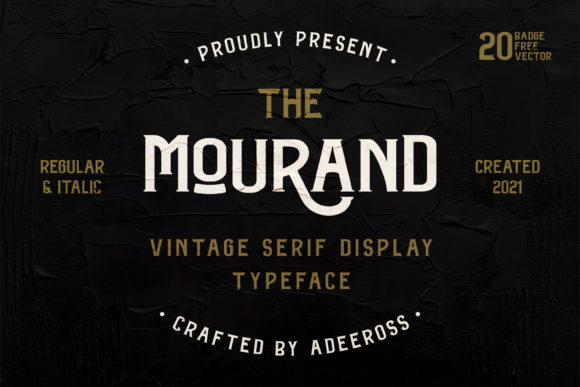
There’s a particular feeling you get when you find a typeface that just fits. It’s the moment a design stops looking like a collection of elements and starts feeling like a cohesive story. For projects that demand presence—something that feels established, confident, and full of character—that perfect match is often a display font with real weight. Enter The Mourand, a bold, thick-lettered typeface that channels vintage appeal with the versatility needed for today’s creative landscape.
More Than Just Bold Letters
At first glance, The Mourand is unmistakably strong. Its thick strokes and deliberate, structured forms give it a commanding presence, making it a natural headline font. But looking closer, you’ll notice the vintage styling isn’t just about being old-fashioned. It’s expertly designed to balance that classic, almost retro sensibility with a clean, modern execution. The letterforms are crafted with care, avoiding the overly distressed or ornate look that can sometimes limit a vintage font’s usability. Instead, it offers a polished, premium feel that can elevate everything from a business card to a website banner.
This combination is what makes it so useful. A font that’s purely retro might feel out of place on a sleek SaaS landing page, while a super-modern geometric sans serif might lack the warmth needed for a artisanal food brand. The Mourand sits in a compelling sweet spot. It has enough personality to stand out but enough clarity to remain highly functional. It’s the kind of creative font that makes a designer’s job easier because it brings its own distinct voice to the table.
Where This Typeface Truly Shines
Understanding a font’s personality is one thing; knowing where to apply it is where the real value lies. The Mourand’s thick, vintage-inspired character makes it exceptionally well-suited for projects where you need to grab attention and convey a sense of quality or heritage. Think about your brand identity. If you’re building a logo for a brewery, a barber shop, a boutique clothing line, or a specialty coffee roaster, this typeface provides an immediate foundation of authenticity. It tells customers you value craftsmanship and style.
Its strength extends naturally to packaging design. On a shelf crowded with competitors, a product label or box featuring The Mourand can cut through the noise. The bold lettering ensures legibility even from a distance, while the vintage flair adds a tactile, premium quality that suggests what’s inside is special. This is also true for print materials like posters, event flyers, and invitations. A wedding invitation using this font for the couple’s names, for example, sets a tone of elegant celebration that’s both timeless and visually striking.
In the digital realm, its applications are just as broad. For social media graphics, a bold headline in The Mourand can stop the scroll, making your Instagram quotes, announcement posts, or promotional carousels far more engaging. On a website, it can be used powerfully for hero section headings, pulling visitors in immediately. Bloggers and content creators can use it for featured image titles or chapter headings in digital guides, adding a layer of professional polish that builds audience trust. Even in editorial design for digital magazines or lookbooks, it provides the kind of typographic impact that defines high-end publication style.
Practical Advice for Using a Display Font
Bringing a font like The Mourand into your toolkit is exciting, but a few practical considerations will help you use it most effectively. First, always consider the context of your project. A display font is designed for impact at larger sizes, typically for headlines, logos, and short bursts of text. It’s generally not the best choice for long paragraphs of body copy, where readability is paramount. For the supporting text on your website or in a brochure, you’ll want to pair it with a clean, highly legible sans serif or a neutral serif font. Think of The Mourand as the star of the show and the body font as the reliable supporting cast.
Font pairing is an art worth practicing. A classic approach is to combine a strong display font with a simple, understated typeface. For example, The Mourand paired with a font like Open Sans or Lato for body text creates a beautiful hierarchy that’s easy on the eyes. You could also explore pairing it with a complementary script font for a touch of elegance on special projects, but use that combination sparingly to avoid visual clutter. Always test your pairings in context—see how they look together on a mock-up of your actual project before finalizing.
Don’t forget to review what’s included with your font purchase. Most premium fonts, especially those designed for commercial use, come with more than just the basic uppercase and lowercase letters. Look for stylistic alternates, ligatures, and full punctuation sets. These extras are what allow you to fine-tune the typography, creating unique ligatures for a logo or swapping out a letter for a more decorative alternate to perfectly match your brand’s vibe. Finally, always be mindful of licensing. Ensure the license you purchase covers your intended use, whether it’s for a client project, merchandise for sale, or digital products. This protects you legally and supports the designers who create these valuable assets.
Building a Cohesive Visual Language
Ultimately, the fonts you choose are a critical part of your visual communication strategy. Consistent use of a typeface like The Mourand across your touchpoints—from your website headers to your email signatures to your product tags—builds powerful brand recognition. Your audience starts to associate that specific typographic style with your business, creating a subconscious link that strengthens over time.
Choosing a font isn’t just a technical decision; it’s a strategic one. It’s about finding a typeface that aligns with your brand’s personality and speaks directly to your target audience. The Mourand offers a fantastic blend of vintage charm and contemporary design, making it a versatile asset for anyone from a small business owner crafting their first identity to a seasoned designer looking for a fresh display option. It’s a tool that can help transform a good design into a memorable one, ensuring your projects don’t just communicate, but truly connect.