Quail: The Display Font That Brings Playful Energy to Your Brand
You know that feeling when you stumble across a design element that just clicks? That's what happened when I first encountered the Quail typeface. It's one of those creative fonts that immediately sparks ideas—not because it's trying too hard, but because it has this infectious, lighthearted personality that makes you want to experiment. If you've been searching for a display font that breaks away from the usual corporate stiffness without sacrificing professionalism, Quail might be exactly what your next project needs.
A Typeface with Real Character
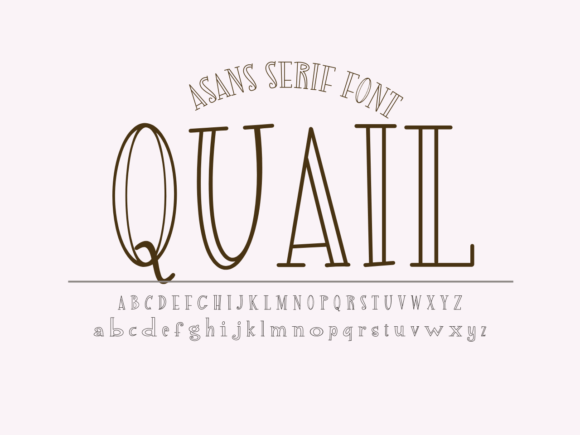
Quail isn't your typical, run-of-the-mill typeface. It's a fun and playful display font designed to inject a sense of cheerfulness and quirkiness into your work. The letterforms have a distinctive bounce and irregularity that feels organic, almost hand-crafted. This isn't the font you'd use for a legal contract or a medical report. But for projects that need personality, warmth, and a touch of whimsy? It's a strong contender.
What makes Quail visually appealing is its balance. It's quirky enough to stand out, but the characters remain legible and well-constructed. The curves are smooth, the spacing feels intentional, and there's a cohesion to the overall design that prevents it from looking chaotic. Think of it as the typographic equivalent of a friendly neighborhood café—inviting, a little unconventional, and memorable without being overwhelming.
As a premium font, Quail typically includes multiple styles and weights, giving you flexibility across different applications. You might find alternates, ligatures, or stylistic variations that let you customize the look further. Before committing to any creative font, it's worth reviewing the full character set and included styles to make sure they align with your vision.
Where Quail Shines: Real-World Applications
The beauty of a display font like Quail is its versatility across creative projects. Let's talk about where this typeface genuinely works well, based on practical design experience rather than theoretical possibilities.
Branding and Logo Design: If your brand identity leans toward approachable, youthful, or creative, Quail can serve as a strong foundation for your logo. It works particularly well for businesses in the food and beverage space, children's products, boutique retail, artisan goods, pet-related services, or any brand that wants to feel accessible rather than exclusive. The key is matching the font's personality to your brand's voice. A quirky bakery logo? Perfect fit. A luxury law firm? Probably not.
Packaging Design: Product packaging needs to grab attention quickly, especially on crowded shelves or in online marketplaces. Quail's distinctive letterforms can help your packaging stand out while communicating a sense of fun and quality. Imagine it on a craft beer label, a candle box, or a snack bag—it immediately sets a tone that plain serif fonts or standard sans serif fonts simply can't achieve.
Social Media Graphics: This is where Quail really comes alive. Social platforms demand visual content that stops the scroll, and a playful display typeface does exactly that. Use it for Instagram quotes, Pinterest pins, Facebook headers, YouTube thumbnails, or TikTok overlays. The cheerful vibe translates beautifully to screen-based design, and it pairs well with both photography and illustration.
Invitations and Event Materials: Birthday parties, baby showers, casual weddings, community events, festival posters—any occasion that calls for celebration and joy benefits from a font like Quail. It sets the mood before guests even read the details.
Merchandise and Print Products: Tote bags, mugs, stickers, greeting cards, and poster prints are all natural homes for a creative font with this much personality. If you sell on platforms like Etsy or run a print-on-demand shop, having a distinctive typeface in your toolkit can set your products apart from competitors using overused free fonts.
Websites and Blogs: While Quail isn't designed for body text, it works beautifully for website headers, blog post titles, call-to-action buttons, and featured section headings. Pair it with a clean sans serif font for paragraphs, and you get a layout that's both readable and visually dynamic. This kind of font pairing is a staple of modern typography and effective web design.
Editorial Layouts and Marketing Assets: Magazine covers, newsletter headers, flyer designs, digital product covers, and email marketing graphics can all benefit from the energy Quail brings. It's especially useful when you need to communicate excitement or approachability in marketing materials.
Matching Typography to Your Project Goals
Choosing the right font style isn't just about personal taste—it's about strategy. Before selecting Quail or any display font, ask yourself a few practical questions:
- What emotion should this design evoke? Quail leans cheerful and playful. If your project needs to feel serious, urgent, or ultra-premium, a different typeface might serve you better.
- Who is my audience? A younger demographic or a creative community will likely respond well to Quail's personality. A more traditional audience might prefer understated serif fonts or neutral sans serif options.
- Where will this design appear? Display fonts like Quail work best at larger sizes. For small text, detailed paragraphs, or dense information layouts, always pair it with a highly readable companion font.
- Does this font support my brand recognition goals? Consistent use of a distinctive typeface across your materials builds visual identity over time. If Quail becomes part of your brand system, use it consistently across touchpoints.
Testing font pairings is essential. Quail tends to pair well with simple, geometric sans serif fonts that don't compete for attention. Try combinations with typefaces like Montserrat, Open Sans, or Lato for body text. The contrast between Quail's expressive headlines and a clean paragraph font creates visual hierarchy that guides the reader's eye naturally.
Readability and Professional Presentation
One common concern with playful display fonts is readability. Quail handles this reasonably well for a typeface in its category, but context matters. At headline sizes—think poster titles, logo lockups, or social media headers—it remains clear and easy to read. At smaller sizes, some of its character details may get lost, which is typical for display fonts.
A practical tip: always test your designs at the actual size they'll be viewed. A font that looks perfect on your 27-inch monitor might be illegible on a mobile screen or a small product label. Print a test copy if you're working on physical materials. This simple step catches readability issues before they become expensive problems.
Professional presentation isn't about using the most expensive or trendy font. It's about choosing typography that serves your message and audience. When Quail is used in the right context, it elevates your design from generic to memorable. It shows intentionality and creative confidence—qualities that resonate with customers and audiences alike.
Licensing and Practical Considerations
Before using any commercial font in a project, understand the licensing terms. Most premium fonts like Quail come with specific licenses that dictate how you can use them. A desktop license typically covers creating static designs like logos, print materials, and graphics. If you're embedding the font in a website, app, or digital product, you may need a separate web or app license.
For small business owners and entrepreneurs, this distinction matters. Using a font outside its license terms can lead to legal complications down the road. Always read the license agreement, keep records of your purchases, and when in doubt, reach out to the font creator or foundry for clarification.
Quail, as a creative font designed for commercial use, is built to work across multiple design applications. But the real value comes from how thoughtfully you integrate it into your visual communication. A playful display font used with intention becomes a powerful design asset. The same font used without consideration can make a project feel disjointed.
So experiment. Test it across different projects. See where its quirky personality enhances your work and where a different typeface might be more appropriate. The best designers and brand builders aren't loyal to one font—they have a curated toolkit and know exactly when to reach for each one. Quail deserves a spot in that toolkit for any project that needs a dose of genuine, approachable energy.