Glowingka: The Display Font That Balances Boldness and Clarity
Every designer knows the feeling: you're midway through a project, the layout is taking shape, the color palette feels right, and then you hit the typography wall. You need something that commands attention without screaming, something modern but not trendy in a way that'll feel dated next year, something versatile enough to work across different applications yet distinctive enough to be memorable. That's the sweet spot Glowingka occupies—a contemporary display typeface that manages to feel both confident and approachable, making it a genuinely useful addition to any creative toolkit.
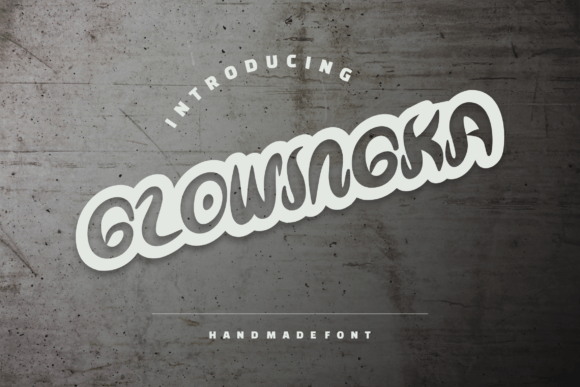
What sets this particular typeface apart isn't some radical design concept. It's the restraint. The letterforms feature clean, well-proportioned lines with just enough personality to give text visual interest without overwhelming the content itself. There's a quiet sophistication in how the curves flow into the terminals, how the spacing feels balanced even at larger sizes, and how the overall rhythm of a word or phrase holds together. For anyone working on branding, editorial, or marketing projects, that kind of typographic reliability is worth more than a flashy novelty font that grabs attention for the wrong reasons.
A Font Built for Real-World Design Challenges
Let's talk about where Glowingka actually earns its place in a project. Consider logo design first. A logo needs to be legible at the size of a favicon and on a billboard. It needs to convey brand personality in a glance. When you're working with a display font for this purpose, you want something with strong geometric foundations and consistent stroke weights—characteristics that translate well across different media and reproduction methods. This typeface handles that well because its design doesn't rely on fine details that get lost at small sizes or on textured surfaces.
Packaging design is another arena where this font shows its strengths. On a shelf, products have maybe two seconds to communicate what they are and who they're for. Typography does the heavy lifting there. A font like Glowingka, with its modern aesthetic and confident presence, can help a product feel premium without looking pretentious. Pair it with a clean sans serif for body copy and ingredient lists, and you've got a typographic system that feels cohesive and intentional. The same logic applies to merchandise—think t-shirts, tote bags, mugs—where a single phrase or word needs to look striking on its own.
For social media graphics, the font's bold personality becomes especially practical. Instagram posts, Pinterest pins, YouTube thumbnails, and Facebook ads all compete in crowded feeds. Text needs to be readable at a glance, even on small screens. A display typeface with strong visual presence helps cut through that noise. Whether you're creating quote graphics, promotional announcements, or branded story templates, having a font that looks polished at headline sizes saves time and elevates the overall aesthetic of your content.
Pairing Glowingka With Other Typefaces
No font works in isolation, and one of the most common questions designers ask about any display typeface is what to pair it with. Here's the practical approach: Glowingka has a contemporary, slightly geometric character, which means it plays nicely with both traditional serif fonts and modern sans serifs. The key is contrast in function, not necessarily in style.
For a branding project targeting a younger, design-savvy audience, try pairing it with a humanist sans serif for body text. The display font handles headlines, hero sections, and pull quotes, while the sans serif takes care of paragraphs, captions, and interface elements. This creates a clear visual hierarchy without feeling disjointed.
For editorial layouts—think magazine spreads, blog headers, or digital lookbooks—you might pair it with a classic serif like Garamond or a contemporary option like Freight Text. The contrast between a bold display face and an elegant reading font creates that satisfying tension between attention-grabbing and easy-to-read that good editorial design demands.
The important thing is to test your pairings in context. Don't just look at two fonts side by side in a specimen sheet. Set actual content—real headlines, real paragraphs, real captions—and see how the relationship feels at the sizes and weights you'll actually use. Typography is ultimately about how text functions in a specific environment, not how it looks in isolation.
Practical Considerations Before You Commit
Before integrating any new font into your workflow, a few practical checks go a long way. First, review the included styles and weights. Does the typeface come with the variations your project needs? A single weight might be enough for a logo, but a branding system typically requires at least a regular and bold option, sometimes more. Check whether Glowingka includes the character set your work demands—extended Latin support, numerals, punctuation, and any special characters relevant to your audience or industry.
Readability testing matters more than people realize. A font that looks gorgeous in a 72-point headline might become a headache at 24 points on a website banner. Set sample text at the actual sizes you plan to use. Print it out. View it on different screens. Ask someone unfamiliar with the project to read it and give honest feedback. These simple steps catch problems that are easy to miss when you're deep in the design process.
Licensing is another area where attention to detail pays off. If you're using the font for client work, merchandise, or commercial digital products, make sure the license covers those applications. Many premium fonts offer different tiers for personal use, single commercial projects, and extended enterprise use. Understanding the terms upfront prevents awkward conversations later and protects both you and your clients.
Where Modern Typography Meets Practical Branding
There's a reason certain fonts become associated with specific industries or brand archetypes. A handwritten font suggests warmth and personal touch. A geometric sans serif feels tech-forward and efficient. A display font like Glowingka sits in a space that communicates modern confidence—think creative agencies, lifestyle brands, boutique hospitality, fashion-forward e-commerce, and contemporary personal brands. It's not trying to be everything to everyone, and that specificity is actually what makes it useful.
For small business owners building a brand identity from scratch, choosing the right typeface can feel overwhelming. There are thousands of options, and the wrong choice can send mixed signals about what your business stands for. If your brand personality leans toward bold, stylish, and contemporary, this typeface is worth exploring. It gives you a strong visual anchor for your logo and headlines while leaving room for complementary fonts to handle the supporting roles.
Content creators and bloggers face a different challenge: maintaining visual consistency across platforms. Your website, social channels, email newsletters, and downloadable resources should all feel like they come from the same brand. Using a distinctive display font consistently across these touchpoints helps build recognition. When someone sees your Instagram graphic and then visits your blog, the typography creates an immediate visual connection. That consistency builds trust over time, and trust is what turns casual visitors into loyal audiences.
Marketing professionals often need design assets that work hard and fast. Campaign timelines are tight, and every piece of collateral—from email headers to event posters to digital ads—needs to look polished. Having a reliable display font in your toolkit means you're not starting from scratch every time. You already know how it behaves at different sizes, how it pairs with your body fonts, and how it reinforces brand guidelines. That familiarity speeds up production without sacrificing quality.
Ultimately, the best reason to explore a typeface like Glowingka is that it solves real problems. It gives your text visual authority. It adapts across different media without losing its character. It pairs well with other fonts, giving you flexibility in how you build typographic systems. And it does all this while maintaining a clean, contemporary aesthetic that won't feel out of place whether you're designing for print, screen, or physical products. In a landscape crowded with novelty fonts that prioritize style over substance, finding one that balances both is genuinely refreshing.