Retrorika: The All-Caps Typeface That Brings Groovy Energy
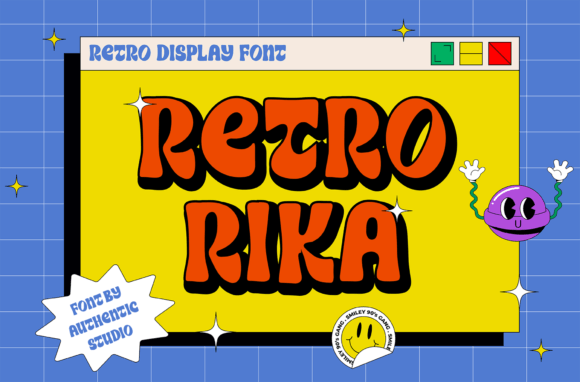
There's something magnetic about typography that doesn't whisper—it speaks. You've probably noticed it on vintage movie posters, retro album covers, or those eye-catching product labels that make you pick something off the shelf without thinking twice. That bold, unapologetic lettering carries personality, and when you find a typeface that captures that energy, it changes how you approach every project. Retrorika is exactly that kind of font: a cool, groovy all-caps display typeface that brings instant character to whatever you're designing, whether it's a wedding invitation, a brand identity, or a social media campaign that needs to stop the scroll.
What Makes This Display Font Stand Out
Retrorika sits in that sweet spot between retro charm and modern versatility. It's a display font, which means it's built for headlines, titles, and moments where text needs to command attention rather than blend into the background. The all-caps design gives every letter uniform weight and presence, creating a visual rhythm that feels cohesive and intentional.
What separates a good display typeface from a forgettable one comes down to personality. Retrorika carries a groovy, retro-inspired aesthetic without sliding into parody. It nods to the typography styles of the 1960s and 70s—think bold signage, psychedelic concert posters, and mid-century advertising—but filters that influence through a contemporary lens. The result is a typeface that feels nostalgic and fresh simultaneously.
For designers and creators who work across multiple mediums, this kind of versatility matters. You don't want a font that only works on screen or only works in print. Retrorika performs well across both environments, making it a practical addition to any font library whether you're building brand assets, designing merchandise, or crafting digital products.
Where Retrorika Shines: Real Applications for Real Projects
The beauty of a strong display typeface is how many directions you can take it. Here's where Retrorika makes a genuine impact:
Branding and Logo Design: If you're developing a brand identity for a coffee shop, boutique clothing line, record store, or any business that wants to project personality and warmth, Retrorika gives your logo immediate distinction. All-caps display fonts work particularly well for brands that want to feel confident and approachable without being stuffy. Paired with a clean sans serif font for body copy, it creates a hierarchy that guides the eye naturally.
Packaging Design: Walk down any grocery aisle and you'll notice that the products catching your eye use bold, readable typography. Retrorika's all-caps structure makes it ideal for product names, flavor labels, and taglines on packaging. Whether you're designing artisanal hot sauce labels or cosmetic packaging, this font brings shelf appeal.
Social Media Graphics: Platforms like Instagram and Pinterest reward bold visuals. Quotes, announcements, sale promotions, and event graphics all benefit from type that reads quickly and looks distinctive at thumbnail size. Retrorika delivers that punchy readability that stops thumbs mid-scroll, which is exactly what content creators and marketers need.
Posters and Print Materials: Event posters, flyers, and promotional materials demand typography that communicates at a distance. The retro energy of this typeface makes it a natural fit for music events, art shows, food festivals, and community gatherings. It sets a mood before anyone reads a single word of the details.
Invitations and Greeting Cards: For crafters and hobbyists who design their own stationery, Retrorika adds a stylish edge to birthday invitations, holiday cards, save-the-dates, and thank-you notes. It's the kind of font that makes handmade designs look professionally produced.
Websites and Blogs: While you wouldn't set an entire blog post in a display font, Retrorika works beautifully for hero sections, section headers, and call-to-action buttons. Web designers often struggle to find display typefaces that load well and maintain their personality across screen sizes—this font holds up.
Merchandise and Digital Products: T-shirts, tote bags, mugs, stickers, digital planners, printable wall art—Retrorika adapts to physical and digital merchandise with equal strength. If you sell on Etsy, run a Shopify store, or create products for print-on-demand platforms, having a reliable display font in your toolkit saves hours of searching.
Editorial and Marketing Assets: Magazine covers, email headers, banner ads, and presentation slides all benefit from typography that communicates energy and professionalism. Retrorika bridges that gap between creative expression and commercial polish.
Building Visual Consistency Across Your Brand
One of the most overlooked aspects of building a recognizable brand is typographic consistency. When your Instagram graphics use one style, your website uses another, and your packaging uses something completely different, your audience struggles to connect the dots. They don't consciously think, "The typography is inconsistent," but they feel it—and that feeling erodes trust.
Choosing a primary display typeface like Retrorika and using it consistently across your touchpoints creates a visual anchor. Customers start associating that lettering style with your business. Over time, they might recognize your content before they even see your logo. That's the power of intentional typography in brand identity.
The key is establishing a system. Use Retrorika for headlines and display moments, then pair it with a complementary serif font or sans serif font for body text. This creates contrast and hierarchy while maintaining a unified look. A handwritten font or script font can serve as an accent for signatures, quotes, or special callouts if your brand personality calls for it.
Practical Tips for Getting the Most From Retrorika
Finding a font you love is the first step. Using it effectively is where the real work begins. Here are some grounded recommendations:
Test font pairings before committing. Open your design tool of choice and set Retrorika next to several body text options. Try it with a geometric sans serif for a clean, modern feel, or pair it with a classic serif for something more editorial. The contrast between an all-caps display font and mixed-case body copy naturally creates visual hierarchy, but the specific combination matters.
Mind the spacing. All-caps type often benefits from slightly increased letter-spacing (tracking). A touch of extra space between letters improves readability and gives the text room to breathe. This is especially important for longer headlines or when the font appears at smaller sizes.
Consider the context. A retro display font on a legal document would feel out of place, obviously. But even within creative projects, context matters. Retrorika works best when the project's tone aligns with its personality—energetic, confident, and slightly nostalgic. Think about your audience and what visual language they respond to.
Review all included styles. Many premium fonts come with multiple weights, alternates, or stylistic variations. Before you start designing, explore what's included. You might find alternate characters or ligatures that give you more creative flexibility than you initially expected.
Check your licensing. If you're using Retrorika for commercial projects—a client's logo, products for sale, marketing materials—make sure your license covers that use. Most premium font licenses distinguish between personal and commercial use, and understanding the terms upfront prevents headaches later. This is standard practice in professional design work and protects both you and the font creator.
Test readability at actual size. Display fonts are designed for large-scale use. Set Retrorika at the size it will actually appear in your project—whether that's a 48-point poster headline or a 24-pixel web header—and evaluate whether every letter is immediately legible. All-caps type can sometimes blur together if letters like H, N, and M appear in sequence without adequate spacing.
Why the Right Creative Font Saves You Time
Every designer and creative professional has experienced the font search spiral—spending an hour browsing type foundries, testing dozens of options, second-guessing every choice. Having a curated collection of reliable, versatile fonts eliminates that friction. When you know you have a display font like Retrorika that handles bold, personality-driven text well, you can move into the actual design work faster.
This matters even more for small business owners and entrepreneurs who wear multiple hats. You might be designing your own social media graphics one day and working on product packaging the next. A typeface that transitions smoothly between those contexts—maintaining its visual appeal whether it's printed on cardboard or rendered on a phone screen—becomes an indispensable design asset.
Modern typography gives us more options than ever, but that abundance can be paralyzing. The smartest approach is building a small, intentional font library rather than accumulating hundreds of typefaces you'll never use. A few strong display fonts, a dependable body text font, and maybe one accent typeface can carry you through virtually any project.
Making Typography Work for Your Audience
At the end of the day, typography isn't about what looks coolest in isolation—it's about communication. The fonts you choose either help your message land or create barriers between your content and your audience. Retrorika, with its bold all-caps structure and retro personality, communicates energy, confidence, and creative intention. For projects where that tone fits, it doesn't just decorate your design—it amplifies your message.
Whether you're a seasoned designer adding to your toolkit, a content creator building a visual brand from scratch, or a crafter who wants their handmade projects to look polished and intentional, having a typeface you can rely on across occasions makes every creative decision a little easier. That consistency builds recognition, strengthens your visual identity, and ultimately helps your work connect with the people you're trying to reach.