Moltern Blanc: A Typeface for Timeless Brand Identity
There’s a particular kind of design problem that keeps coming up. You’re building something meant to last—a brand, a publication, a product line—and you need typography that feels both contemporary and rooted in something deeper. Not trendy enough to date itself in eighteen months, not so classic it reads as stuffy. This is the space where Moltern Blanc operates, and it’s worth understanding why that matters for your work.
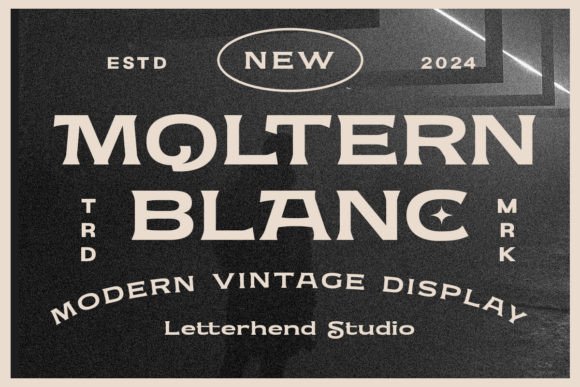
At its core, Moltern Blanc is a vintage display font with a distinctly modern sensibility. The letterforms carry the elegance and proportion of mid-century type design—think balanced serifs, considered spacing, and a certain architectural confidence—while feeling completely at home in contemporary visual contexts. It doesn’t try to recreate the past. Instead, it borrows the best instincts of that era and applies them with a clean, refined touch that works across digital and print.
Where Vintage Warmth Meets Modern Precision
What makes a display font genuinely useful rather than merely decorative? It comes down to personality without sacrificing function. Moltern Blanc walks this line well. The characters have enough visual interest to anchor a logo or headline, but they don’t compete with the content surrounding them. The serifs are deliberate but not heavy-handed. The curves feel organic rather than mechanical. There’s a warmth to the typeface that sterile, hyper-modern fonts often lack—and that warmth translates directly into how audiences perceive a brand.
Consider how this plays out in practice. A small-batch candle company uses Moltern Blanc on its packaging. The font communicates craftsmanship and intention without veering into rustic or hand-drawn territory. A boutique law firm adopts it for its stationery. The result feels authoritative yet approachable—serious without being intimidating. A lifestyle magazine sets its feature headlines in the typeface. The pages feel curated, elevated, worth lingering over. In each case, the font does real communicative work.
Practical Applications That Actually Matter
The versatility of a premium font like this one shows up in the breadth of projects where it performs well. Here’s where designers and business owners tend to get the most value:
- Logo design and brand identity systems — Moltern Blanc gives logos a distinctive voice that’s easy to recognize across different sizes and applications, from business cards to storefront signage.
- Packaging design — Whether it’s a wine label, a cosmetics box, or a specialty food wrapper, the font adds a layer of perceived quality that influences purchasing decisions at the shelf.
- Editorial layouts — Magazine covers, book titles, chapter headings, and pull quotes all benefit from a display font that commands attention without overwhelming accompanying body text.
- Invitations and stationery — Wedding suites, event invitations, and personal correspondence carry more weight when set in a typeface with this kind of understated sophistication.
- Web design and digital products — Homepage hero sections, landing page headlines, and e-commerce product titles gain visual hierarchy and polish.
- Social media graphics — Instagram posts, Pinterest pins, and promotional banners stand out in crowded feeds when the typography has genuine character.
- Marketing assets — Brochures, flyers, email headers, and presentation decks all benefit from consistent, high-quality typographic choices.
The common thread across all these applications is trust. Audiences make snap judgments about quality based on visual presentation, and typography is one of the strongest signals a brand sends. A creative font that looks intentional and well-crafted tells people the business behind it operates with the same standards.
Making Typography Work for Your Brand
Choosing the right typeface is only part of the equation. How you use it matters just as much. A few practical considerations for anyone working with Moltern Blanc—or any serif font in a similar category:
Pair it thoughtfully. Display fonts rarely work alone. Moltern Blanc pairs well with clean sans serif typefaces for body copy—something geometric or humanist that doesn’t fight for attention. The contrast between a refined serif headline and a simple sans serif paragraph creates natural visual hierarchy that guides readers through your content without conscious effort.
Test at multiple sizes. A font that looks stunning at 72 points on your monitor might lose clarity at 14 points on a printed business card. Before committing to a typeface for a project, render it at every size it will appear. Check letter spacing, legibility of smaller characters, and how the overall texture reads on different backgrounds.
Consider your audience first. A luxury skincare brand targeting women in their thirties has different typographic needs than a financial consultancy serving corporate clients. Moltern Blanc serves both well, but the supporting design choices—color palette, imagery, layout density—will shape whether the final result feels aspirational, professional, or something in between.
Review the full font family. Many design assets like this one include multiple weights, stylistic alternates, or extended character sets. Understanding what’s available before you start designing prevents mid-project surprises and opens up creative possibilities you might otherwise miss.
Check licensing carefully. If you’re using the font for commercial work—client projects, products for sale, branded merchandise—confirm the license covers your intended use. Most reputable font foundries offer clear commercial font licensing, but it’s worth verifying before finalizing any design that will be reproduced at scale.
The Real Value of Getting Typography Right
Visual consistency is one of the most underrated advantages a small business or independent creator can build. When your website, packaging, social media, and printed materials all share the same typographic language, you create a brand experience that feels cohesive and trustworthy. People might not consciously notice the font, but they’ll register the professionalism it communicates.
Moltern Blanc works particularly well for this kind of systematic branding because its character is distinctive enough to be memorable but versatile enough to adapt across contexts. It won’t pigeonhole your brand into a single aesthetic lane. Set it against a minimalist layout, and it reads as modern and clean. Pair it with rich textures and ornate illustrations, and it holds its own without getting lost.
For designers building brand identity systems for clients, this adaptability is practical gold. You can establish a typographic foundation that scales from a tiny favicon to a billboard without losing its essential character. For business owners managing their own visual presence, it means fewer font-related headaches and more confidence that everything looks pulled together.
The honest truth about modern typography is that most people won’t tell you they love your font choice. But they will tell you—through their attention, their trust, and their purchasing decisions—when your visual presentation feels right. A well-chosen typeface like Moltern Blanc doesn’t shout for recognition. It quietly does the work of making everything around it look more considered, more intentional, and more worth engaging with. That’s the kind of design investment that pays for itself many times over.