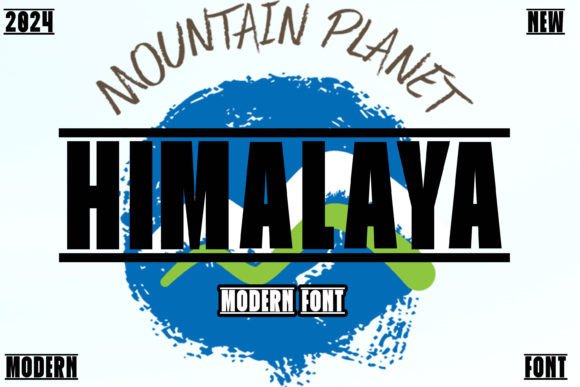
Himalaya: A Modern Display Font for Every Creative Project
There’s a moment in every creative project where the typography either clicks or it doesn’t. You’ve nailed the color palette, the layout feels balanced, but the text just sits there, lifeless. Then you try a different typeface, and suddenly the whole design breathes. Himalaya is that kind of font—a cool, modern display typeface with a versatile personality that adapts to everything from branding kits to social media graphics without missing a beat.
Why Himalaya Works So Well for Branding
When you’re building a brand identity, consistency is everything. Himalaya’s clean lines and contemporary feel make it an excellent choice for logos, wordmarks, and visual systems that need to look polished across multiple platforms. It’s not overly decorative, so it won’t compete with your brand’s message, but it has enough character to stand out in a crowded market.
Think about how a premium font like Himalaya can shape first impressions. A tech startup might use it for a sleek, minimal logo. A boutique bakery could pair it with a script font for a warm, inviting vibe. The versatility here is real—Himalaya doesn’t box you into one aesthetic. It gives you a foundation to build on, whether you’re designing packaging for artisanal products or crafting a brand style guide for a new client.
From Social Media to Print: Practical Applications
Let’s get specific about where Himalaya shines. For social media graphics, its bold weight grabs attention in fast-scrolling feeds. Use it for Instagram story headers, Facebook ad copy, or Pinterest pins where you need text to pop without relying on busy backgrounds. The font’s readability at various sizes means your message stays clear, whether it’s a call-to-action button or a headline on a webinar slide.
On websites and blogs, Himalaya works beautifully for hero sections, section titles, and featured quotes. Pair it with a clean sans-serif for body text, and you’ve got a modern typographic hierarchy that feels professional yet approachable. For print materials—think posters, flyers, and business cards—the font’s sharp edges reproduce well in both digital and offset printing, so your designs look crisp from screen to paper.
Here’s a quick rundown of projects where Himalaya fits naturally:
- Logo design and brand marks – Its balanced proportions make it legible even at small sizes.
- Packaging design – Works for product labels, boxes, and tags across industries like cosmetics, food, and fashion.
- Editorial layouts – Magazine headers, book covers, and newsletter titles benefit from its modern serif style.
- Invitations and event collateral – Wedding invites, gala programs, and conference badges gain a refined touch.
- Digital products – E-books, online course materials, and downloadable templates look polished and cohesive.
- Merchandise – Tote bags, mugs, and apparel designs get a contemporary edge.
Making Font Pairings That Actually Work
A display font like Himalaya is powerful on its own, but pairing it thoughtfully takes your designs further. The key is contrast without conflict. If Himalaya is your headline font, try pairing it with a simple sans-serif for body copy—something like a geometric or humanist sans that won’t compete for attention. For a more editorial feel, combine it with a subtle script or handwritten font for accent text, like pull quotes or callouts.
Test your pairings in context. A font that looks great in a design mockup might fall apart when you add real content, longer paragraphs, or mobile responsiveness. Print out a sample, view it on different screens, and ask yourself: does this combination guide the reader’s eye naturally? Does it support the message, or distract from it? Good typography should feel invisible when it’s working well—it just makes everything easier to read and more pleasant to look at.
Readability and Professional Presentation
One thing that sets a quality typeface apart is how it handles readability across different contexts. Himalaya’s letterforms are designed with enough spacing and clarity that they hold up well in both large display settings and smaller applications. That said, no display font should be used for long paragraphs of body text—that’s not what it’s built for. Use it where it matters: headlines, titles, short phrases, and impactful statements.
For professional presentations, pitch decks, or marketing assets, Himalaya adds a layer of visual polish that signals competence and attention to detail. Clients and audiences notice when typography feels intentional, even if they can’t articulate why. A well-chosen font like this helps bridge the gap between amateur and professional design without requiring a design degree to implement.
Licensing and Getting Started
Before you download any font, check the licensing terms. Himalaya, as a commercial font, typically comes with specific usage rights—desktop, web, app, or extended licenses depending on your needs. If you’re using it for client work, make sure the license covers that. If you’re selling digital products that include the font files, you’ll likely need an extended license. Reading the fine print upfront saves headaches later.
Once you’ve got Himalaya installed, explore the included font styles. Many premium fonts come with multiple weights, alternates, or stylistic sets that give you more creative flexibility. Play around with these options before settling on your final design. Sometimes a subtle stylistic alternate in a letterform can make a logo feel more unique or a headline more dynamic.
Typography is one of those design elements that quietly shapes how people perceive your work. Choosing a versatile, modern typeface like Himalaya gives you a reliable tool for countless projects—from brand identities to social media campaigns to printed collateral. It’s not about chasing trends; it’s about finding a font that serves your creative goals and communicates your message with clarity and style.