Gijumeva: A Modern Display Font for Creative Standout
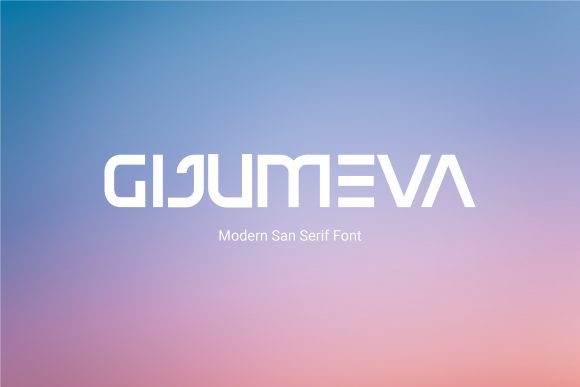
Sometimes, a project just needs that one element to pull everything together. You've got the color palette sorted, the layout is clean, but the text feels... forgettable. It's in these moments that a distinctive typeface can transform good work into something truly memorable. That's the kind of potential you unlock with Gijumeva, a simple and modern lettered display font designed to inject personality and clarity into your creative ideas.
Understanding the Visual Appeal of This Typeface
At its core, Gijumeva strikes a balance that many modern projects demand. It's not overly ornate or distracting, yet it avoids being sterile or generic. The letterforms are crafted with a clean, contemporary aesthetic—think confident lines, thoughtful spacing, and a subtle geometric influence that gives it structure without feeling cold. This makes it incredibly versatile. It can feel professional and trustworthy for a business card, yet also approachable and stylish for a social media campaign. The "simple and modern" description is key: it's a font that enhances your message without overwhelming it, ensuring your content remains the star.
What truly sets it apart is its role as a display font. This means it's engineered to shine at larger sizes, where its details and character can be fully appreciated. While you wouldn't use it for long paragraphs of body text, it's perfect for headlines, logos, and any element that needs to grab attention immediately. This focus allows it to excel in its intended purpose, making it a powerful tool in your design assets toolkit.
Practical Applications: Where Gijumeva Truly Shines
The true test of any premium font is how it performs in real-world scenarios. Gijumeva's modern simplicity opens the door to a wide array of applications, helping creators and businesses maintain a polished and cohesive look across all their materials.
- Brand Identity & Logo Design: A logo needs to be recognizable and scalable. Gijumeva's clean lines ensure it remains crisp and legible whether it's on a tiny favicon or a large storefront sign. It provides a solid foundation for building a brand identity that feels current and confident.
- Packaging & Product Labels: On a shelf or in an online store, packaging has seconds to make an impression. Using this creative font for product names or key features can help your product stand out, conveying a sense of modern quality and design-consciousness.
- Digital & Social Media Graphics: In the fast-scroll world of Instagram, TikTok, or Pinterest, bold, clear typography is non-negotiable. Gijumeva works beautifully for social media graphics, video thumbnails, and blog post titles, ensuring your message is instantly readable and visually engaging.
- Editorial & Print Layouts: For magazines, lookbooks, or event posters, a strong display font creates visual hierarchy. Pair Gijumeva with a simple sans serif font for body text to create a dynamic and professional editorial design that guides the reader's eye.
- Marketing Assets & Web Design: From email headers and digital ads to website hero sections and call-to-action buttons, this typeface helps create a unified and professional look. Its clarity improves readability on screens, which is crucial for web design and user engagement.
- Invitations, Merchandise & Digital Products: Whether you're designing wedding invitations, t-shirt graphics, or the cover for an e-book, Gijumeva adds a touch of modern elegance. It’s a commercial font that can elevate personal projects and products for sale alike.
Integrating Gijumeva into Your Workflow: A Practical Guide
Having a great font is one thing; using it effectively is another. Here’s how to make the most of Gijumeva in your projects.
Start with the Goal. Before you even open your design software, ask: what feeling should this project convey? Gijumeva leans modern, clean, and versatile. It’s excellent for tech startups, lifestyle brands, creative agencies, or any project aiming for a contemporary feel. If your goal is vintage or rustic, you might pair it with a script font for contrast rather than using it alone.
Master the Pairing. No font is an island. The magic often happens in combination. Since Gijumeva is a display typeface, it needs a partner for longer text. A classic and reliable strategy is to pair it with a neutral sans serif font like Open Sans, Lato, or Roboto for body copy. This creates a clean, readable, and professionally balanced layout. For a more dynamic look, try a complementary serif font—the contrast between modern display and traditional body text can be very effective in editorial design.
Test for Readability. Always test your chosen font at the actual size it will be viewed. A headline on a billboard has different requirements than a title on a mobile screen. Gijumeva's design should hold up well, but it's your responsibility to check kerning (letter spacing) and leading (line spacing) in context to ensure maximum clarity.
Review the Included Styles. A good typeface often comes with multiple weights or styles—Light, Regular, Bold, etc. Explore these options within the Gijumeva family. Using a bolder weight for impact and a lighter weight for subtlety within the same project reinforces visual consistency and strengthens your overall brand recognition.
Understand the License. This is a crucial, often overlooked step. If you're using Gijumeva for client work, merchandise, or digital products for sale, you need to ensure you have the proper commercial license. Always review the license agreement that comes with the font. This protects you legally and ensures the font creator is fairly compensated for their work, allowing them to continue producing high-quality design assets.
Elevating Your Creative Output
Ultimately, typography is about communication and emotion. A font like Gijumeva offers you a tool that is both functional and expressive. Its strength lies in its ability to adapt—to feel at home in a minimalist tech presentation as well as on a vibrant event poster. By thoughtfully integrating it into your projects, you're not just choosing letters; you're making a decision that impacts audience engagement, professional presentation, and the overall cohesion of your work. It’s about adding that standout element that makes people pause and pay attention, which is exactly what great design aims to achieve.