Fingermark: The Bold Display Font That Demands Attention
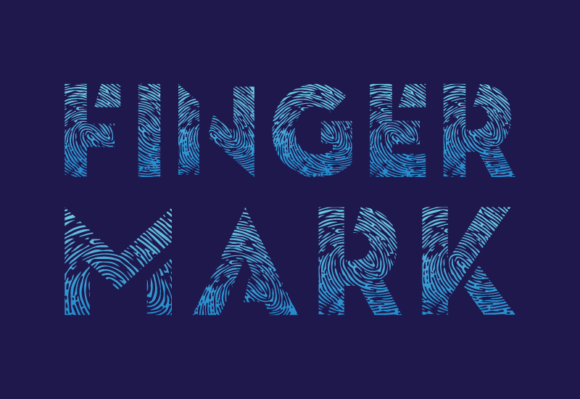
There's a particular kind of font that doesn't whisper—it shouts. It grabs your viewer by the collar and says, "Look at me." That's exactly what happens when you work with Fingermark, a creative and cool deco display font that brings an unmistakable energy to any project it touches. If you've been searching for a typeface that breaks away from safe, predictable choices, this one deserves your serious consideration.
At first glance, Fingermark feels like it was carved with intention. Each letter bears the marks of bold decisions, its edges sharp and confident, as if sculpted by a master craftsman's chisel. This isn't a font that fades into the background. It's a daring dance of contrasts and creativity—geometric yet expressive, structured yet full of personality. For designers, business owners, and creators who want their work to leave a lasting impression, that combination is genuinely rare.
What Makes a Display Font Like Fingermark Work So Well
Display fonts occupy a specific role in the typography world. They're not built for body text or dense paragraphs. Instead, they shine in headlines, logos, packaging, and anywhere you need a single word or short phrase to carry real weight. Fingermark fits squarely into this category, but it does so with a character that feels distinctly modern.
The deco influence gives it a geometric backbone—think clean angles, deliberate proportions, and a sense of architectural precision. Yet there's nothing cold or sterile about it. The "fingermark" quality introduces an organic, almost tactile feel. You can sense the human touch behind the design, which makes it approachable despite its boldness. That tension between precision and personality is what gives this typeface its visual magnetism.
For anyone working in branding, this matters more than you might think. A font is often the first thing people register about a brand, even before they consciously read the words. The right typeface sets a mood in milliseconds. Fingermark sets a mood of confidence, creativity, and fearless self-expression—qualities that resonate across industries from streetwear to tech startups to artisan food brands.
Where Fingermark Truly Shines: Real Applications
Let's talk specifics, because understanding where a font actually works is far more useful than reading vague promises about "elevating your designs."
Logo design is an obvious starting point. If your brand identity leans toward bold, youthful, or unconventional, Fingermark can anchor a logo that people remember. Pair it with a simple sans serif for taglines or secondary text, and you've got a visual system that feels cohesive without being monotonous.
Packaging design is another natural fit. Picture a craft beer label, a hot sauce bottle, or a limited-edition sneaker box. These are products where shelf presence directly impacts sales. A font like Fingermark gives packaging an edge—something that stands three feet away and still communicates attitude.
On social media graphics, where you have roughly half a second to stop someone from scrolling, display typography is your secret weapon. Use Fingermark for Instagram story headers, YouTube thumbnails, or Pinterest pins. Its sharp geometry reads well even at smaller sizes on mobile screens, provided you keep the text short and punchy.
Poster design and event materials practically beg for this kind of typeface. Music festivals, gallery openings, product launches, pop-up shops—any event that wants to project energy and originality benefits from a display font with this much presence.
And don't overlook merchandise. T-shirts, tote bags, stickers, and hats often rely on a single word or short phrase to make the design work. Fingermark's condensed, impactful letterforms translate beautifully to printed products where clarity and style need to coexist.
Pairing Fingermark With Other Typefaces
No font lives in isolation. Even the most striking display typeface needs companions for longer text, captions, and supporting information. The key to successful font pairing is contrast without conflict.
Since Fingermark brings geometric deco energy and strong visual weight, balance it with something quieter. A clean sans serif like a modern grotesque or a humanist sans works well for body copy. If your project calls for warmth, a subtle script font or handwritten font in small doses can add contrast without competing for attention.
Avoid pairing it with other display fonts or heavily stylized typefaces. Two loud voices in the same room create noise, not harmony. Think of Fingermark as the lead vocalist—it needs a rhythm section, not another soloist.
Test your pairings in context. A font combination that looks elegant on a mood board might feel cluttered on a business card or illegible on a mobile screen. Always mock up real-world applications before committing. Print a test label. Preview the website on your phone. Check the social media graphic at actual size. These small steps save significant revision time later.
Readability Considerations for Bold Display Choices
Here's an honest conversation worth having: display fonts demand respect for readability. Fingermark's sharp edges and deco structure make it highly legible at headline sizes, but it's not designed for paragraphs of body text. That's not a flaw—it's a deliberate design choice that serves its intended purpose.
Use it where it excels: short, impactful text. Headlines, subheadings, single-word callouts, product names, event titles. When you need to communicate a longer message, switch to a complementary serif font or sans serif font that handles dense copy gracefully.
Letter spacing and line height also matter. Display fonts often benefit from slightly tighter tracking at large sizes and more generous spacing at smaller ones. Play with these settings. A few pixels of adjustment can mean the difference between "bold and striking" and "cramped and hard to read."
Licensing and Practical Considerations
If you're planning to use Fingermark for commercial work—which includes client projects, products for sale, monetized content, and business branding—verify the licensing terms before you start designing. Most premium fonts come with clear commercial licenses, but the specifics vary. Some licenses cover a set number of users or projects. Others offer broader usage rights.
This matters because font licensing protects both you and the type designer. Using a font outside its license terms can create legal headaches down the road, especially for businesses that scale. Read the license, understand what it covers, and keep your purchase records organized. It's a small administrative step that prevents much larger problems.
Also check what's included in the package. Does the font come in multiple weights or styles? Are there alternates, ligatures, or extended character sets? Knowing exactly what you have to work with lets you push the typeface further and get more value from your investment. A well-equipped font family with stylistic alternates gives you flexibility to adapt the same typeface across different contexts while maintaining visual consistency.
Making the Decision: Is Fingermark Right for Your Project
Choosing a font isn't just about aesthetics—it's about alignment. Does the typeface match the personality of your brand? Does it serve the functional needs of your project? Will it resonate with your target audience?
Fingermark suits projects that want to communicate boldness, creativity, and a willingness to stand apart. If your brand voice is playful but not childish, confident but not arrogant, modern but not cold, this typeface slots in naturally. It works particularly well for creative entrepreneurs, lifestyle brands, entertainment companies, and anyone whose visual identity thrives on energy and originality.
If your project requires understated elegance or traditional authority, you might look toward a classic serif or a refined sans serif instead. There's no universal "best font"—only the right font for the specific job at hand.
The best way to know? Download it, set your actual project text, and live with it for a day. Look at it in different contexts. Show it to someone who hasn't seen your project before and ask what feeling it gives them. Typography is both art and communication, and the right choice is the one that serves both purposes for your particular work.
When a font carries this much personality, it stops being just a design asset and becomes a creative collaborator—one that pushes your projects to communicate louder, clearer, and with far more character than the safe choices everyone else is making.