Ruteborn: The Retro Font That Captures Adventure
There’s a certain magic in a hand-painted roadside sign or the faded logo of a classic diner. It’s a feeling of warmth, nostalgia, and a story waiting to be told. This is the exact spirit captured by the Ruteborn typeface. More than just a collection of letters, it’s a design asset that brings the adventurous energy of vintage travel and retro charm directly into your modern projects, making it an incredibly versatile tool for creatives and businesses alike.
A Typeface with Personality and Purpose
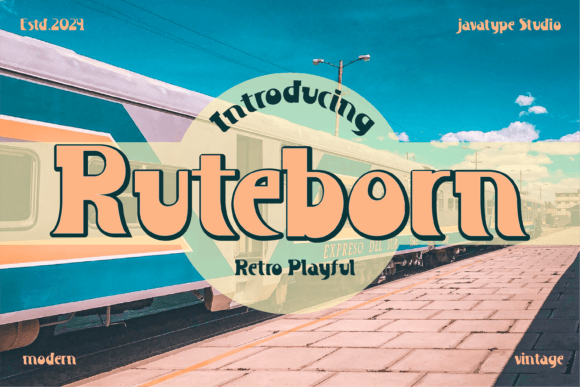
What makes Ruteborn so visually compelling? At its core, it’s a display font with bold, rounded letterforms and playful, confident curves. The letters feel substantial and friendly, avoiding the sharp edges that can sometimes feel aggressive. This rounded quality gives it a whimsical, approachable vibe, while its clear structure ensures it remains highly readable. It doesn’t just sit on a page; it makes a statement, evoking the spirit of vintage signage, retro packaging, and the open road. This unique blend of nostalgic charm and bold presence is what sets it apart from more generic typefaces.
Where Ruteborn Truly Shines: Practical Applications
The real value of a creative font like Ruteborn is in its application. It’s not a one-trick pony; its personality can be adapted across a wide range of mediums to serve specific goals. For branding, it can be the cornerstone of a brand identity for a craft brewery, a retro-themed café, a boutique travel agency, or an outdoor adventure company. Its inherent character helps build instant brand recognition and sets a distinct mood before a customer even reads a word.
Consider its use in logo design. A logo built with Ruteborn immediately communicates fun, energy, and a touch of vintage cool. This extends seamlessly to packaging design, where it can make a product pop on a shelf, telling a story of authenticity or adventure. For social media graphics, it’s a powerhouse. A bold headline using Ruteborn can stop the endless scroll, making your posts for events, promotions, or announcements far more engaging. It injects personality into marketing assets like email headers, digital ads, and presentation slides.
Beyond the digital realm, Ruteborn excels in print materials. Think of eye-catching posters for a local festival, vibrant invitations for a milestone birthday, or distinctive merchandise like t-shirts and tote bags. For editorial design, it can be used for chapter headings or pull quotes in a magazine or book, adding a burst of visual interest. Even on a website or blog, used strategically for headlines and key sections, it can break the monotony of standard sans serif font body text and guide the reader’s eye.
Making It Work: Font Pairing and Readability
Introducing a strong display typeface like Ruteborn into your work requires a bit of strategic thinking. The golden rule is contrast. Because Ruteborn has such a strong voice, it pairs best with simpler, more neutral fonts for body copy. A clean sans serif font or a classic, readable serif font will provide a perfect backdrop, allowing Ruteborn’s headlines to shine without overwhelming the viewer. Avoid pairing it with another highly stylized script font or handwritten font, as this can create visual chaos and harm readability.
Always test your font pairings in context. Create a mock-up of your intended use—a social media post, a website header, a product label—and see how the combination feels. Pay close attention to readability at different sizes. While Ruteborn is designed for impact, ensure that any text set in it, especially shorter sentences or call-to-action phrases, is clear and easy to decipher in the final medium, whether on a small phone screen or a large printed banner.
Beyond the Basics: Styles and Licensing
A high-quality premium font often comes with more than just the standard weight. Before purchasing, review what styles are included. Does Ruteborn offer a bold weight for extra emphasis? An outline style for layered designs? Or perhaps a set of decorative alternates? These additional styles can significantly expand your creative toolkit, allowing for more dynamic and flexible typography within a single project.
Finally, and crucially for any commercial use, understand the licensing. If you’re a small business owner, designer, or entrepreneur using Ruteborn for client work, merchandise, or digital products, you need a commercial license. This isn’t just a legal formality; it’s an ethical practice that supports the type designers who create these valuable design assets. Always purchase the correct license for your intended use to ensure your projects are professional and above board.
In the end, choosing a typeface is about more than aesthetics; it’s about communication. Ruteborn offers a powerful way to communicate energy, nostalgia, and approachability. By understanding its strengths and applying it thoughtfully, you can leverage this creative font to create more memorable, engaging, and visually consistent designs that truly connect with your audience.