Kallise: The Textured Font That Adds Instant Character
There’s a certain magic in designs that feel tactile, like you could reach out and touch the grain of the paper or the brushstroke on the canvas. In a world saturated with clean, digital perfection, that raw, human quality cuts through the noise. It’s the difference between a forgettable graphic and one that lingers in the mind. This is the power of a font like Kallise, a rough, brushed display typeface that doesn’t just convey words—it conveys texture, emotion, and a distinct point of view.
More Than Just Letters: The Visual Impact of a Brushed Typeface
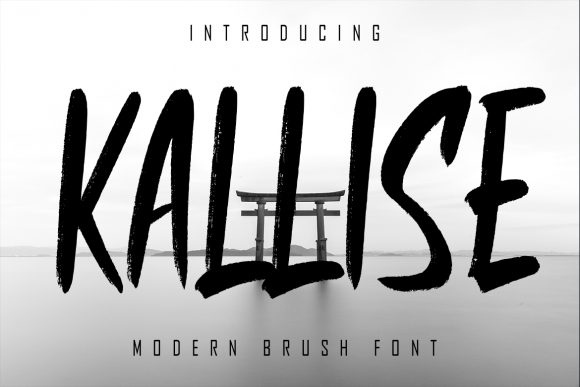
At its core, Kallise is a display font, meaning it’s engineered for impact at larger sizes, like headlines, logos, and titles. What sets it apart is its rough, textured finish. Each character appears as if it was painted with a dry brush, leaving behind uneven edges and a visible grain that feels organic and handcrafted. This isn’t a sterile, geometric sans serif; it’s a typeface with soul. The visual appeal lies in its ability to inject warmth, authenticity, and a touch of rebellious energy into any project. It feels less like something typed and more like something created, which is a powerful psychological trigger for audiences seeking realness.
Where Kallise Truly Shines: Practical Applications
The versatility of a well-crafted display font like this is surprising. It’s not a one-trick pony for a single industry. Its character makes it adaptable across a spectrum of creative and commercial needs.
For Branding and Identity: If your brand’s personality is artisanal, adventurous, or slightly gritty, Kallise can become the cornerstone of your visual identity. Imagine it on a craft brewery’s logo, a boutique coffee roaster’s packaging, or the masthead of an outdoor lifestyle blog. It immediately communicates a brand that values substance and character over sterile corporate polish.
In Digital and Social Spaces: In the fast-scroll realm of social media, stopping power is everything. Using this textured font for Instagram story headlines, YouTube thumbnails, or Pinterest graphics can make your content stand out in a feed full of standard typography. It adds a layer of depth that flat, digital fonts often lack, making your posts feel more like crafted pieces of media.
Across Print and Physical Products: The textured nature of Kallise translates beautifully to print. On posters, book covers, or event invitations, the brush-like details add a tangible quality. For merchandise like t-shirts, tote bags, or mugs, it provides that coveted vintage or hand-printed aesthetic that resonates with consumers. It’s equally effective for editorial layouts in magazines or lookbooks, where it can frame a story with a specific mood.
Leveraging Texture for Stronger Design Outcomes
Choosing a font like Kallise isn’t just an aesthetic decision; it’s a strategic one that can improve key aspects of your design work.
Boosting Brand Recognition: A unique typeface is a brand asset. When used consistently, the distinctive look of Kallise becomes synonymous with your brand’s voice. People will start to associate that raw, textured look with your products or content, building a stronger, more memorable identity.
Enhancing Audience Engagement: Fonts carry emotional weight. The roughness of a brushed font can evoke feelings of creativity, hands-on effort, and authenticity. This can create a stronger emotional connection with your audience, making them more likely to engage with your message because it feels genuine and human.
Creating Visual Hierarchy and Focus: As a display font, Kallise is perfect for creating a clear focal point. Use it for your main headline or a key call-to-action to draw the eye immediately. Pairing it with a clean, simple sans serif or serif font for body text creates a beautiful contrast that guides the reader through your content seamlessly, improving overall readability and flow.
Making It Work: Practical Tips for Using Kallise
Integrating a strong character font into your work requires a bit of finesse to ensure it enhances rather than overwhelms.
- Context is Key: This font has a strong personality. It’s perfect for a music festival poster, a sustainable fashion brand, or a creative agency’s website. It might feel out of place on a formal legal document or a traditional financial report. Always match the font’s vibe to the project’s core message.
- Pair with Purpose: The best way to use a textured display font is to pair it with a neutral companion. Let Kallise handle the headlines and impactful statements, and use a versatile sans serif like Open Sans or a classic serif like Lora for paragraphs of body text. This ensures readability while letting the display font do what it does best—command attention.
- Size Matters: Because of its detailed texture, Kallise needs room to breathe. It will lose its impact and become difficult to read if used at very small sizes. Use it generously for titles, logos, and large headings, and opt for a simpler font for fine print or lengthy text blocks.
- Review the Full Toolkit: When you acquire a premium font like this, explore all the included styles. Kallise often comes with multiple weights, alternates, or even swashes. These extras allow you to customize the look further, adding more flair or subtlety to your designs as needed.
- Understand the License: Before using any commercial font in a project, especially for client work or products for sale, verify the licensing terms. A proper commercial license ensures you’re legally covered to use the font across all your intended applications, from digital ads to printed merchandise.
In the end, typography is one of the most powerful tools in a designer’s kit. It sets the tone before a single word is read. A typeface like Kallise offers more than just a way to write words; it offers a way to express a brand’s heartbeat, to tell a story of craftsmanship, and to create visuals that feel deeply human. By understanding its strengths and applying it thoughtfully, you can turn a simple design into something that truly resonates.