Happy Kitchen Day: A Font That Feels Like Home
There’s something undeniably comforting about a handwritten note pinned to the fridge, a chalkboard menu at a cozy café, or the playful lettering on a farmer’s market sign. That warmth, personality, and human touch is exactly what the Happy Kitchen Day display font captures. It’s more than just a collection of letters; it’s a feeling. For designers, entrepreneurs, and creators, finding a typeface that conveys such specific, positive emotion can be the key to unlocking a project’s true visual identity. This isn't a cold, corporate font—it’s a character actor, ready to bring charm and authenticity to your work.
Understanding the Character of a Display Typeface
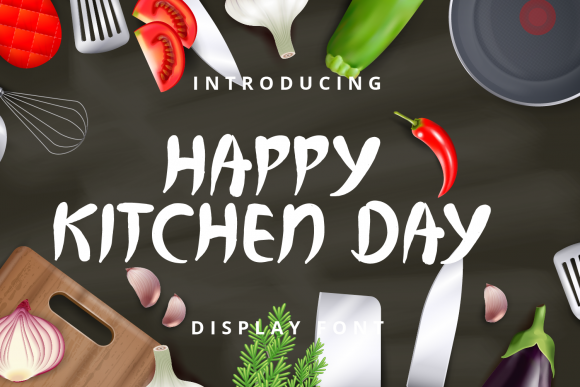
Before diving into applications, it’s helpful to understand what makes a display font like this one special. Unlike body text fonts designed for long-form reading, display typefaces are crafted for impact. They’re meant for headlines, logos, and short bursts of text where personality reigns supreme. Happy Kitchen Day falls into this category with its cute and timeless aesthetic. Its letterforms have a natural, slightly imperfect quality that mimics hand-lettering, but with the consistency and balance of a professionally designed typeface. This blend of organic charm and technical polish is what makes it so versatile. It feels personal and approachable, avoiding the overly stylized traps that can date a design quickly.
Bringing Warmth to Brand Identity and Logo Design
Your brand’s logo and core visual language are its first handshake with the world. A font choice here is a fundamental brand identity decision. For businesses that want to project friendliness, creativity, and approachability, Happy Kitchen Day is a compelling creative font choice. Imagine it for a boutique bakery’s logo, instantly communicating homemade quality. Picture it as the header for a children’s educational toy company, suggesting playfulness and safety. It works beautifully for a craft brewery’s secondary wordmark or a local florist’s signage. The key is matching the font’s inherent personality to your brand’s core values. It pairs exceptionally well with clean sans serif fonts for body text, creating a hierarchy that is both engaging and easy to read.
Practical Magic: From Packaging to Social Media Feeds
The real test of a premium font is how it performs across diverse applications. This is where Happy Kitchen Day truly shines. Its versatility is a practical asset for any creator.
- Packaging Design: On a bag of artisan granola, a jar of homemade jam, or a box of craft chocolates, this font adds a layer of care and authenticity that sterile, generic fonts cannot. It tells a story before the product is even opened.
- Social Media Graphics: In the fast-scrolling world of Instagram or Pinterest, a distinctive header font stops the thumb. Use it for quote graphics, sale announcements, or story headers to create a consistent, recognizable aesthetic that boosts audience engagement.
- Web & Blog Headers: A website’s blog section or a dedicated landing page can benefit from this font’s personality in the headings. It draws readers in and sets a welcoming tone, improving the overall user experience and readability of the page’s structure.
- Print & Physical Materials: Think beyond the screen. It’s perfect for restaurant menus, event invitations, thank-you cards, and posters. On a printed tote bag or t-shirt, it translates its digital charm into tangible merchandise.
- Marketing Assets & Digital Products: From email newsletter headers to the cover of a downloadable PDF guide or e-book, using this font consistently helps build visual consistency across all your marketing assets, strengthening brand recognition at every touchpoint.
Making Smart Typographic Choices: A Practical Guide
Choosing a font is just the first step. Using it effectively is what separates good design from great. Here’s some practical advice for integrating a font like Happy Kitchen Day into your projects.
First, always consider the context. While it’s versatile, it’s not a universal workhorse. You wouldn’t set a 200-page technical manual in a display font. Its strength is in headlines, short phrases, and accent text. For body copy, pair it with a highly readable serif font or a neutral sans serif font. This pairing creates visual interest without sacrificing clarity.
Second, test thoroughly. Before you commit, see how the font looks in your specific color palette, at different sizes, and on various backgrounds. Does it remain legible at a small size on a mobile screen? Does it hold its character when scaled up for a banner? A good font pairing is one where both typefaces complement each other without competing for attention.
Third, explore the full family. Many premium fonts come with more than one style. Check if Happy Kitchen Day includes alternates, ligatures, or stylistic sets. These extra glyphs can be used to customize your text, making your design feel even more unique and handcrafted. A swash on a capital letter or a special ligature for common letter pairs can add that final touch of polish.
Finally, understand the licensing. If you’re using the font for a commercial project—a client’s logo, a product you sell, or a website for your business—you must ensure you have the appropriate commercial font license. This is a non-negotiable step in professional practice. Reputable foundries and marketplaces are very clear about their licensing terms, so review them carefully to avoid any issues down the line.
The Enduring Appeal of a Thoughtful Typeface
In a landscape saturated with fleeting design trends, a font with a timeless quality is a valuable design asset. Happy Kitchen Day doesn’t chase the latest fad; it taps into a universal desire for warmth, creativity, and human connection. It’s a tool that doesn’t just display words—it communicates a mood. Whether you’re crafting a brand from the ground up, refreshing your social media presence, or designing a special piece of stationery, the right typeface acts as a silent ambassador for your message. By choosing a font that aligns with your project’s soul, you’re not just making a design choice; you’re building a more meaningful connection with your audience, one beautifully formed letter at a time.