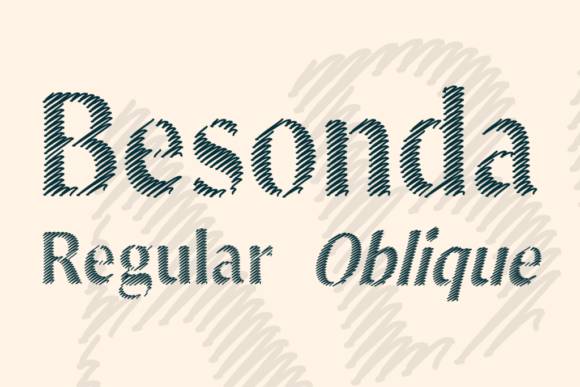
Besonda: Where Scratched Textures Meet Modern Sophistication
There is a specific kind of visual magnetism that occurs when digital precision meets the raw, tactile feel of the physical world. In the realm of graphic design, we are constantly searching for assets that don't just sit on the page but actually reach out and touch the viewer. This is where Besonda distinguishes itself. It is not merely a collection of letters; it is a scratched display font that captures the essence of artistic rebellion. The distinctive commingling of perfect imperfections creates an edgy yet elegant display that feels both timeless and contemporary. Every stroke tells a story, embodying an artistic statement that offers a visual feast to your audience. When you look at Besonda, you aren't just reading words; you are witnessing an artistic statement that blends the rough edges of reality with the clean lines of modern typography.
The Anatomy of an Edgy Typeface
At its core, Besonda is a study in contrast. Most fonts strive for pixel-perfect smoothness, erasing any trace of the hand that might have drawn them. Besonda does the opposite. It leans into the scratches, the texture, and the grit, turning what might be considered flaws in traditional typesetting into defining features. This approach gives the font a tactile quality, almost as if it were embossed, screen-printed, or etched into the surface of your design.
This display font is characterized by its bold presence. It commands attention immediately, making it ideal for headlines, logos, and anywhere you need to make an immediate impact. The "scratched" aesthetic implies a history or a process—it suggests that the design has been worn in, not worn out. This adds a layer of authenticity that polished, corporate typefaces often lack. For designers looking to break away from the sterile look of standard UI fonts, Besonda offers a necessary injection of soul.
Real-World Applications for the Creative Professional
Understanding the visual appeal of a font is one thing; knowing how to deploy it effectively in client work is another. Besonda’s versatility lies in its ability to adapt to various mediums while maintaining its distinct personality. Here is how different creatives can leverage this asset:
- Branding and Logo Design: If you are building a brand identity for a company that values authenticity—such as a craft brewery, a vintage clothing line, a skate shop, or an artisan coffee roaster—Besonda provides the perfect foundation. It signals that the brand is hands-on and real.
- Packaging Design: On the shelf, texture sells. Besonda mimics the feel of stamped goods or hand-finished products. It works exceptionally well for product labels, especially those using matte or kraft paper finishes where the typography can interact with the paper’s natural grain.
- Merchandise and Apparel: Screen printing and embroidery often struggle with ultra-fine, thin fonts. Besonda’s bold, scratched strokes translate beautifully onto t-shirts, hoodies, tote bags, and hats. It looks like it belongs on fabric.
- Editorial and Poster Design: In editorial design, contrast is king. Using Besonda for pull quotes, chapter titles, or magazine covers can break up the monotony of long-form body text. It draws the eye and sets the mood instantly.
- Digital Assets and Social Media: In the fast-scrolling environment of Instagram or TikTok, you have milliseconds to grab attention. Besonda is a creative font that stops the scroll. It is excellent for YouTube thumbnails, promotional banners, and high-impact headers on landing pages.
Strategic Typography: Enhancing Communication and Engagement
Typography is not just decoration; it is a communication tool. The choice of typeface influences how your message is received emotionally before the reader even processes the meaning of the words. Besonda helps improve audience engagement by injecting personality into the content.
When a brand uses a generic font like Arial or Times New Roman for its headers, it often fades into the background. It communicates neutrality, which can sometimes be interpreted as a lack of identity. Besonda, conversely, communicates confidence. It tells the viewer that the creator has a distinct point of view. This helps build brand recognition. When your audience sees that specific scratch texture and bold weight, they begin to associate it with your content.
Furthermore, while display fonts are not meant for long paragraphs, Besonda contributes to readability in a broader sense. By establishing a clear hierarchy—using Besonda for headers and a clean sans serif font or serif font for body copy—you guide the reader's eye. You create a rhythm that makes the content easier to digest. The headers act as signposts, and the unique style of Besonda makes those signposts impossible to ignore.
Mastering Font Pairings and Hierarchy
One of the most common questions regarding display fonts is what to pair them with. Because Besonda has such a strong, textured personality, it requires a partner that can play a supporting role without competing for the spotlight. This is where the concept of font pairing becomes essential.
A general rule of thumb is to contrast styles. Since Besonda has a rugged, artistic vibe, it pairs exceptionally well with clean, geometric sans-serifs. Fonts like Montserrat, Lato, or Roboto provide a neutral backdrop that allows Besonda’s scratches and curves to shine. The contrast between the "perfect" geometry of the sans-serif and the "imperfect" texture of Besonda creates a dynamic visual tension.
Alternatively, you can pair Besonda with a classic, old-style serif font. This combination can evoke a "modern vintage" aesthetic—think of a high-end fashion brand that blends streetwear edge with classical elegance. The key is to ensure that the body text remains highly legible. While Besonda is perfect for short bursts of text, such as a logo or a headline, attempting to use it for long-form paragraphs would fatigue the reader's eye.
Practical Considerations for Your Project
Before integrating any new asset into your workflow, it is prudent to consider the technical and legal aspects of the design assets. Besonda is designed to be a versatile tool, but like any tool, it must be used correctly.
Reviewing Included Styles: A comprehensive typeface family often includes various weights or stylistic alternates. Check if the version of Besonda you are using offers different levels of "scratchiness" or boldness. Having a Light, Regular, and Bold option allows you to create more nuance within your hierarchy while maintaining the same visual language.
Commercial Licensing: If you are a freelancer or a business owner, the legal side of typography is non-negotiable. Ensure that the license for Besonda covers your specific use case. Most premium fonts come with licenses that cover both print and digital usage, but if you plan to embed the font in an app or software, or use it on high-volume merchandise, you may need an extended license. Always read the End User License Agreement (EULA) to protect your business and your client.
Testing for Context: Never choose a font in isolation. Mock up your designs to see how Besonda interacts with your specific color palette and imagery. A font that looks great on a white background might get lost on a busy photograph. Conversely, the scratched texture might become muddy if the text size is too small or the color contrast is too low. Test it at the actual size it will be displayed to ensure the "scratches" read as texture rather than pixelation.
Infusing Personality into Digital Products
In the digital age, where web design and social media graphics are often the first point of contact between a business and a customer, the "vibe" of your typography matters more than ever. Besonda is not just a font; it is a mood board compressed into a typeface. It speaks to the creator who wants to move away from the corporate, sterile look of the early 2010s and embrace something more human and tactile.
For digital products—such as e-books, online course materials, or downloadable planners—using Besonda for the cover pages and section headers can significantly increase the perceived value of the product. It signals that time and care were taken in the design process, which reflects the quality of the content inside.
Ultimately, typography is about connection. It is about finding the right visual voice to match your message. Besonda offers a voice that is distinct, memorable, and unapologetically artistic. By incorporating it thoughtfully into your next project, you aren't just choosing a font; you are choosing to make a statement that resonates with an audience tired of the generic and the mundane. It is a celebration of the imperfect, proving that sometimes, the scratches are exactly what makes the surface beautiful.